




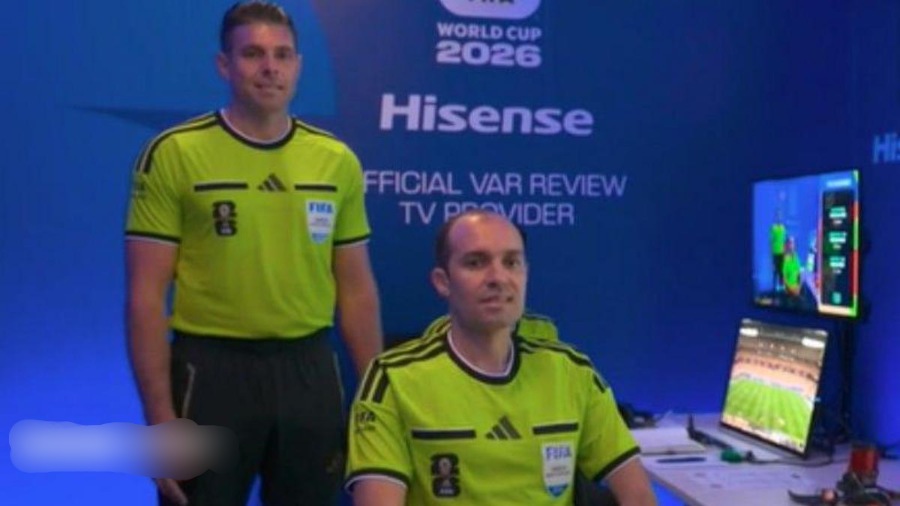
In a moment that could have easily spiraled into controversy, VAR official Shaun Evans has been cleared of wrongdoing after an investigation into a hand gesture made during the World Cup match between Germany and Curacao. The gesture, resembling an inverted 'OK' sign, sparked a wave of speculation on social media due to its controversial connotations linked to white supremacy. Evans, however, insisted that the movement was an "involuntary, subconscious twitch," and that he had no awareness of making the gesture when the broadcast focused on the VAR team. This incident highlights the complexities surrounding officiating in high-stakes games, where even minor actions can lead to significant consequences.
Contextualizing the Incident in VAR's Evolving Role
The incident occurred on June 15, 2026, during Germany's 7-1 victory over Curacao, a match characterized more by its lopsided scoreline than by any officiating controversy. However, the spotlight quickly shifted to Evans when the VAR team's actions were broadcast. The World Cup has seen a shift in how officials are portrayed, with FIFA opting for brief visual introductions to VAR teams, which brought Evans' actions under scrutiny. Evans stated, "The coverage following this incident simply does not reflect who I am," emphasizing the disparity between public perception and his actual intent. With VAR technology continuing to evolve, the visibility of officials is both a privilege and a potential pitfall, as this incident illustrates.
Historically, officiating at major tournaments has always been under intense scrutiny. The introduction of VAR has amplified this, as the technology not only changes the way decisions are made but also how officials are perceived. The stakes are higher; a single gesture can lead to widespread condemnation or misunderstanding, especially in a politically charged global environment. This incident serves as a reminder that VAR officials are not just faceless entities; they are human beings navigating complex social landscapes while under the microscope of the world's media.
- Date of Incident: June 15, 2026
- Match Score: Germany 7 - 1 Curacao
- Investigation Duration: Less than 24 hours
- FIFA's Conclusion: No evidence of misconduct
- VAR has been used in international tournaments since 2018.
The Broader Implications of Officiating Scrutiny
While the focus was on Evans' gesture, this incident raises broader questions about the role of VAR in modern football. The emotional weight of officiating decisions has been magnified, and VAR's presence has blurred the lines between human error and technological intervention. Evans, who has faced scrutiny for a gesture he describes as unintentional, is now back on the pitch, but the incident underscores a larger trend: the pressure on officials is greater than ever. Coaches, players, and pundits alike are increasingly vocal about the implications of VAR, which has changed the game both on and off the pitch.
The very visibility of VAR officials, once a behind-the-scenes element, has turned officiating into a spectacle that could influence public perception and player morale.
"The pressure on officials has grown tremendously; their every move is scrutinized, and that can affect their performance." — Mark Clattenburg, Former Premier League Referee
Looking Ahead: The Future of VAR and Officiating
As the World Cup progresses, Evans' experience serves as a cautionary tale for how officiating is perceived in an increasingly digital world. The FIFA investigation has cleared him, allowing him to continue officiating, but the ramifications of this incident will likely linger. With social media amplifying voices, even the smallest gestures can lead to major public backlash. This situation could prompt FIFA to reconsider how they introduce VAR officials to the public, possibly moving away from visual showcases that expose them to unnecessary scrutiny. As technology grows, so too must the understanding that officials are human, navigating a complex and often unforgiving landscape.
Ultimately, this incident forces a reflection on the human element in officiating. How can referees ensure their actions are understood as intended? As the World Cup unfolds, the importance of clarity and intent in officiating will remain a topic of conversation, perhaps reshaping the narrative of how we view those who govern the game.