



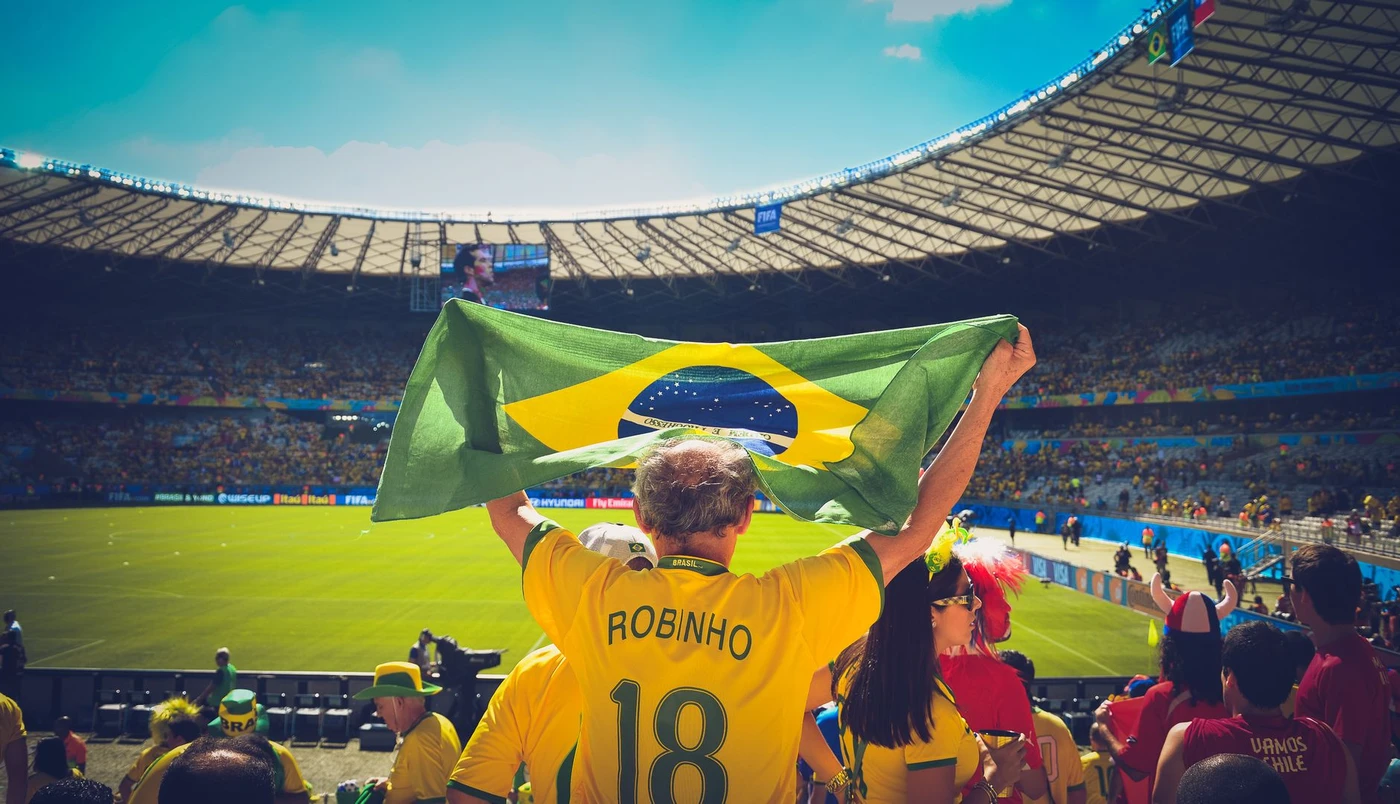
Everything You Need to Know Before the Biggest Football Event in History
The 2026 FIFA World Cup is not merely the latest edition of the world's most-watched sporting event — it is a structural transformation of it. For the first time in the competition's 96-year history, 48 nations will participate, creating 104 matches across a month-long tournament that will be played across three countries simultaneously. Understanding how the new format works, which venues host which rounds, and how the knockout bracket is structured is essential preparation for following the tournament intelligently.
This guide covers the format change, the host cities, the key dates, and the practical information fans need to navigate the most complex World Cup in history — whether you're attending in person, following from home, or planning your viewing schedule around the North American time zones.
- Participating nations: 48 (up from 32 since 2022)
- Total matches: 104 (up from 64 in previous editions)
- Group stage format: 12 groups of 4 — top 2 plus 8 best 3rd-place teams advance
- Knockout rounds: Round of 32 → Round of 16 → Quarterfinals → Semifinals → Final
- Tournament duration: 39 days (June 11 – July 19, 2026)
- Final venue: MetLife Stadium, East Rutherford, New Jersey (capacity 82,500)
The New Format Explained
The expanded 48-team format introduces a round of 32 that did not exist in previous editions, creating an additional knockout round between the group stage and the traditional last-16. This means the path to the final now requires seven victories rather than six — a significant additional demand on squads and a reason why fitness management across the tournament will be more important than ever. Teams that peak too early or arrive without sufficient depth will face a progressively harder challenge as the schedule compresses in the knockout stages.
The group stage format — 12 groups of four rather than eight groups of four — means one additional group match per team but also introduces the third-place qualification system: the eight best third-placed finishers across all twelve groups advance alongside the 24 group winners and runners-up. This adds a layer of tactical complexity to group stage management — a team that knows it cannot finish top-two must calculate whether it can qualify as a best third-placed finisher, and what results elsewhere mean for that calculation.
The expanded 48-team format adds 40 matches to the tournament and is projected to generate $1.4 billion in additional broadcast and commercial revenue compared to the 32-team 2022 edition — making 2026 the most commercially valuable sporting event in human history.
"This isn't just a bigger World Cup — it's a more global World Cup. Forty-eight nations means the tournament genuinely represents world football, not just the traditional powers. That's what FIFA should have been doing decades ago." — Infantino, FIFA President, at the 2026 tournament launch ceremony
Key Dates and Time Zones
North American time zones mean European and Asian fans will need to manage viewing schedules differently from previous tournaments. Group stage matches in the US will typically kick off at 12:00, 15:00, or 18:00 local time — meaning early morning, afternoon, and late evening viewing in Europe, and middle-of-the-night broadcasts across most of Asia. The final at MetLife Stadium on July 19 kicks off at 18:00 EDT — midnight in London, and 07:00 the following morning in Tokyo.
Fans attending matches across multiple venues will face the tournament's unique logistical challenge: flights between US cities, the US-Mexico border crossing for Monterrey and Mexico City matches, and the US-Canada border for Vancouver and Toronto. FIFA's official travel support infrastructure has been substantially expanded for 2026 to address the cross-border complexity that no previous World Cup has required.