




The Generation That Could Define a Decade
Every World Cup produces its heroes, but the 2026 tournament in North America may be remembered above all as the moment a new generation seized football's global stage. With the expanded 48-team format guaranteeing more games and more exposure, teenagers and early-twenty-somethings have unprecedented opportunity to announce themselves to the world.
From the favelas of São Paulo to the academies of Barcelona, talent scouts have been tracking a cohort of under-21 players so gifted that veteran coaches speak of them with barely concealed excitement. These are not merely promising prospects — several are already genuine match-winners at club level who now carry entire nations' dreams on their shoulders.
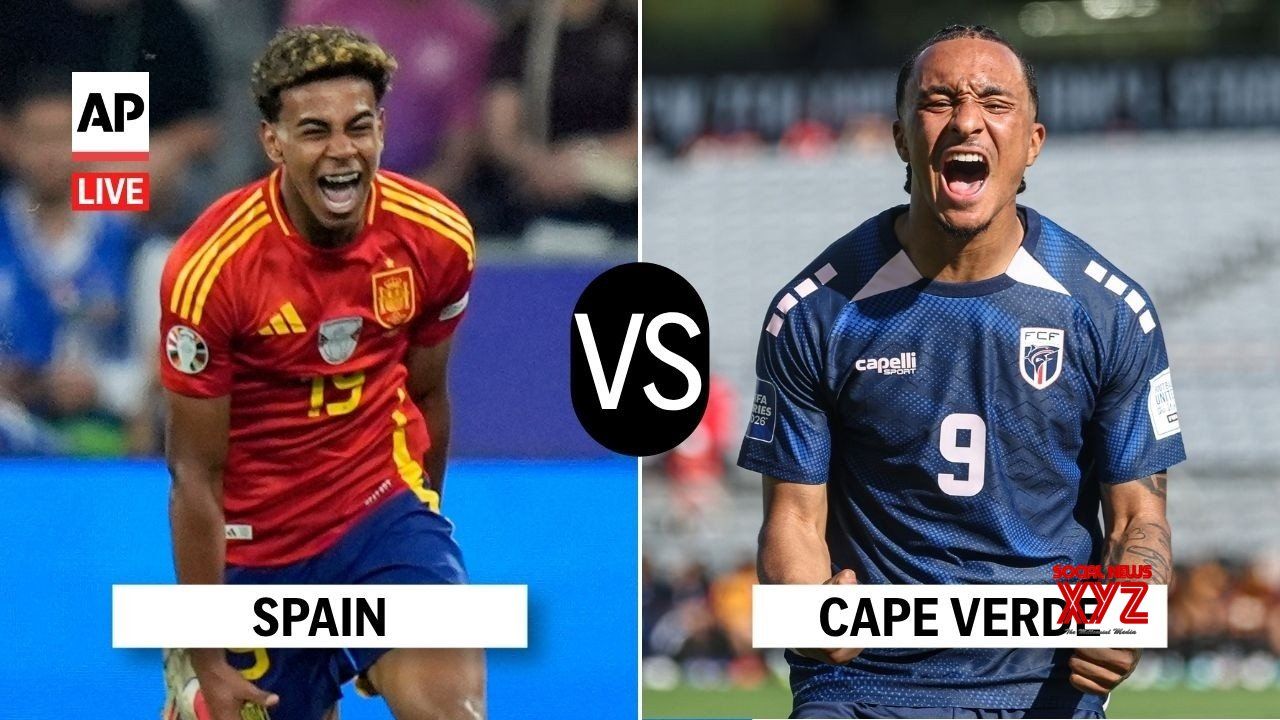
- Lamine Yamal (Spain) — 18 years old, 22 La Liga goals in 2025–26
- Endrick (Brazil) — Real Madrid's 19-year-old striker, 14 goals across all competitions
- Warren Zaïre-Emery (France) — PSG's 20-year-old midfield engine, 3,100+ minutes this season
- Mathys Tel (Germany) — Bayern's 20-year-old winger, a direct replacement threat at every position
- Kobbie Mainoo (England) — Man United's 21-year-old, already a senior England mainstay
- 11 players aged under 21 are projected to start for their nations in Group Stage matches
Lamine Yamal: Spain's Prodigy Turned Protagonist
It feels almost surreal to discuss Lamine Yamal as a World Cup favourite when he was born the same year Spain won their last major tournament. Yet here we are: the Barcelona winger turned 18 in July 2025 and by the time the World Cup kicks off, he will have a full La Liga title and two Champions League appearances on his résumé. His ability to take on defenders in tight spaces, combined with a left foot that produces goals from angles that defy geometry, makes him Spain's most dangerous outlet.
What sets Yamal apart from typical teenage sensation is composure. He does not panic in the final third, does not slow down under pressure, and reads defensive shape at a level normally reserved for veterans twice his age.
Yamal became the youngest player in La Liga history to reach 20 direct goal contributions in a single season — a record that stood untouched for 41 years.
Endrick and the Brazilian Dream
Brazil's attack has lacked a genuine cutting-edge striker since Ronaldo Fenômeno's peak years, and the weight of that history falls directly on Endrick's nineteen-year-old shoulders. His movement inside the box is instinctive — he finds space before defenders realise he has moved, and his finishing, both feet and head, carries the assurance of someone who has been scoring goals since childhood in Brasília.
Real Madrid paid £60 million to secure him, and Carlo Ancelotti has carefully managed his development, but come the World Cup Endrick will have one job: score goals for Brazil and keep their 24-year wait for a sixth star alive.
"I don't feel the pressure. I feel the privilege. I'm 19 and I'm playing in a World Cup for Brazil — that's every kid's dream and I'm living it right now." — Endrick, speaking to ESPN Brasil, May 2026
Why the Expanded Format Changes Everything
The 48-team World Cup means Group Stage matches that might otherwise be low-stakes survival battles become genuine proving grounds. A teenager who lights up three group games will have generated 300 million social media impressions before the knockout rounds even begin. The commercial and sporting incentives for nations to back their young talent are greater than ever — coaches who persist with veteran insurance policies at the expense of game-changing youth risk being exposed as tactically conservative in a tournament that rewards boldness.
History suggests at least two players from this under-21 cohort will finish the tournament as household names worldwide. The question is not whether the next generation will arrive — it is simply which names we will all know by July 2026.