




The Tactical Revolution That Became the Default
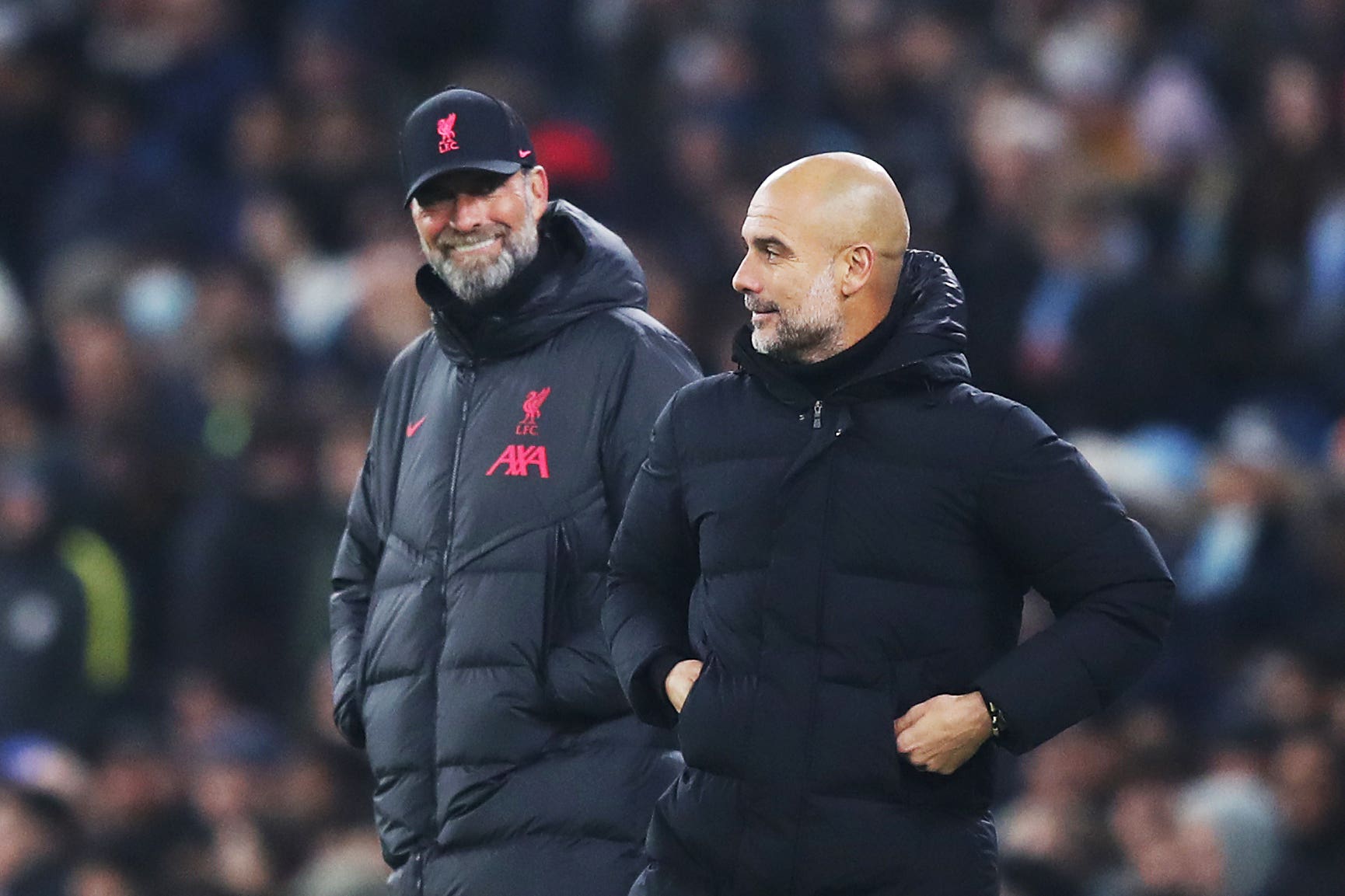
Ten years ago, the high press was a competitive differentiation strategy — clubs that executed it well gained a meaningful advantage over opponents who had not yet developed the physical and tactical infrastructure to deal with it. In 2026, every top-flight club in Europe presses. Every academy teaches press-triggering. Every coaching manual describes the defensive-to-attacking transition mechanisms that Klopp and Guardiola introduced to mainstream football consciousness in the 2010s.
When a tactical innovation becomes universal, the question shifts from "whether to press" to "how to press better, more intelligently, more selectively." The second-generation tactical debate around the high press is now about refinement — press traps versus passive press, block pressing versus counter-pressing, the trade-off between high-line exposure and forward-third pressing efficiency — and the clubs winning that debate are those whose coaches have thought most deeply about when not to press as much as when to press.
- Average PPDA (passes per defensive action) across PL: 10.4 — down from 14.2 in 2016–17
- Teams with PPDA below 8.0 (elite press): 9 clubs across the top 5 leagues
- Goals from pressing recoveries in top-third: up 34% since 2020–21
- Average sprint distance per game (central midfielders): 1,340m in 2026 vs 890m in 2016
- Most intense press in Europe 2025–26: PSG under Luis Enrique (PPDA 6.9)
- Injuries linked to high-press physical demands have increased 22% in top leagues since 2021
The Counter-Pressing Masterclass: Liverpool's Ongoing Influence
Arne Slot's Liverpool have inherited the Klopp pressing legacy and refined it in specific ways that reflect both the squad's current physical profile and the tactical evolution of the pressing idea itself. The key innovation under Slot is the "press pause" — a deliberate relaxation of pressing intensity in defined periods of a match (typically the 55–70 minute window) that allows the press to restart at full intensity in the final 20 minutes against an opponent who has been conditioned to expect continuous pressure. The psychological effect of the renewed press, when it arrives after a period of managed intensity, is disproportionate to the physical output — opponents who have just had ten minutes of relative calm are not prepared for the re-escalation.
This micro-periodisation of pressing intensity is a genuinely novel tactical development that requires extraordinary collective discipline — players must consciously reduce their pressing impulse during the "pause" period rather than simply tire. Training the cognitive control of pressing instinct is a frontier of modern sports psychology that Liverpool and City are both exploring.
The average central midfielder in the Premier League now covers 1,340 metres of sprint distance per 90 minutes — 50% more than a decade ago. This physical escalation driven by pressing demands has fundamentally changed the physical profile clubs recruit for, and is driving injury rates that are beginning to concern player welfare organisations globally.
"The press is the tactical innovation of our era — but we're now discovering its limits. You cannot press for 90 minutes across 60 games. The clubs that figure out how to press intelligently — not just intensely — will win the next phase of this competition." — Michael Beale, UEFA Pro Licence coach educator, speaking at the EURO 2025 coaching seminar
The Anti-Press: Counter-Strategies That Are Working
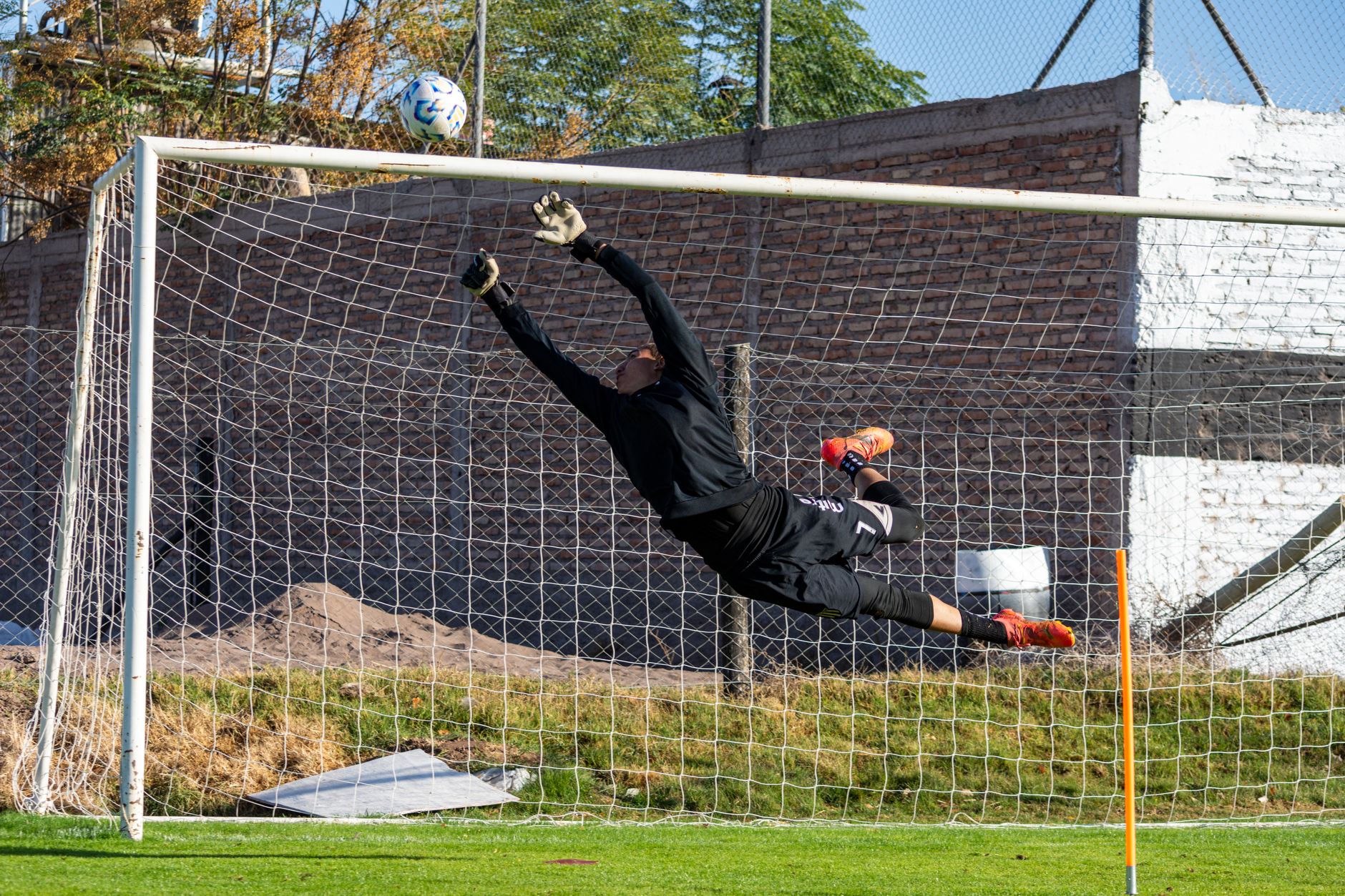
The sophistication of anti-pressing football has grown in exact proportion to the sophistication of pressing itself. The most effective counter-strategies in 2026 involve combinations of line-breaking passes through the press, goalkeeper-as-outfield-player techniques (pioneered by Alisson and now standard in goalkeeper development), and deliberate overloads of the pressing team's weak side — the side opposite to where the press is triggered. Diagonal switches that exploit the transitional moment when the press has committed to one side but not yet recovered to the other have become a fundamental attacking mechanism at every top European club.
The game, in other words, is continuing to evolve in direct response to the pressing revolution's success — and the clubs leading that evolution are producing football of a complexity and quality that suggests the tactical arms race between press and anti-press will remain the defining competitive battleground of professional football for years to come.