




How Two Men Changed the Way Football Thinks About Space
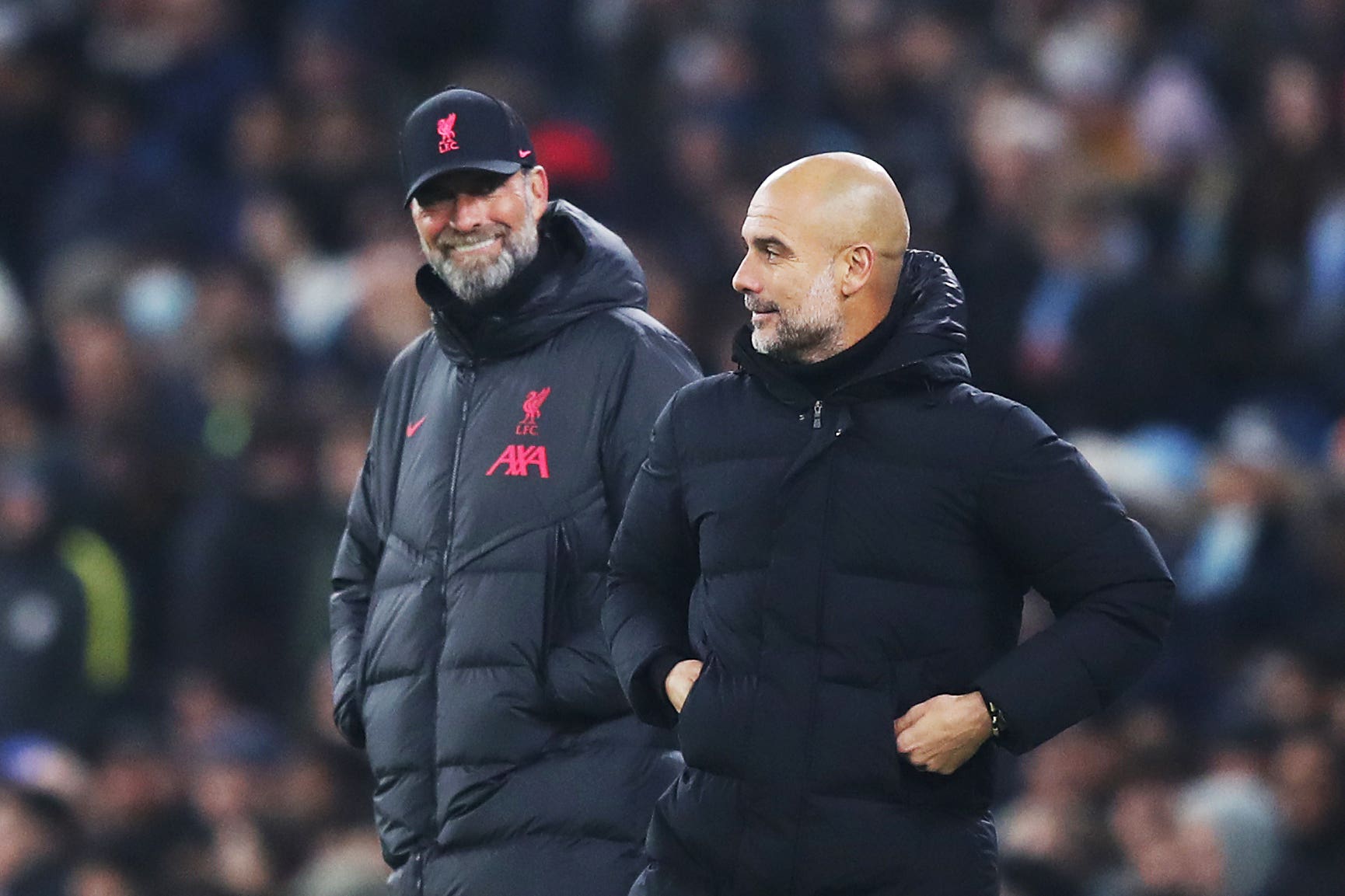
When Jürgen Klopp arrived at Borussia Dortmund in 2008, the term "gegenpressing" did not exist in mainstream football discourse. When Pep Guardiola's Barcelona won back-to-back Champions Leagues playing a tiki-taka style that left opponents unable to touch the ball for minutes at a time, the football world thought it had identified the game's ultimate expression. Neither assumption survived the following decade intact. What emerged instead was a synthesis — and Klopp and Guardiola are the architects of the modern game's foundational tactical vocabulary.
Their legacy is not just the trophies, though those are historically exceptional. It is the conceptual framework that now governs how elite clubs everywhere think about pressing triggers, defensive lines, positional play, and the transition between defensive and attacking phases. Football in 2026 looks the way it does because of what these two men invented, tested, refined, and proved at the highest level across twenty collective years of elite management.
- Pep Guardiola: 38 major trophies across Barcelona, Bayern Munich, and Manchester City
- Jürgen Klopp: 14 major trophies at Dortmund, Liverpool, and the German national team
- Champions League titles between them: 6 (Guardiola 4, Klopp 2)
- Domestic league titles: 19 combined across 5 different national leagues
- Head-to-head record: Guardiola leads 22–20 across all competitions
- Their rivalry has lasted 16 years and produced over 40 competitive meetings
Gegenpressing: The Idea That Took Over Football
Klopp's core insight was geometric: immediately after losing possession, an attacking team is disorganised and opponents are clustered in a small area of the pitch. If you press immediately — before the opposition can settle, before they can spread the ball — the probability of winning it back in a dangerous position is dramatically higher than waiting to defend from a set shape. The concept was not entirely new; Johan Cruyff had articulated versions of it in the 1970s. What Klopp did was systematise it, make it repeatable, and build a team at Dortmund that executed it with an intensity that was physically astonishing.
The Liverpool version — built around the specific physical and technical profiles of Henderson, Firmino, Salah, and Mané — became the most compelling team in English football history for a three-year period. The PPDA (passes allowed per defensive action) numbers that Liverpool produced between 2018 and 2020 remain benchmarks that coaches reference today.
Guardiola's Manchester City 2023 treble-winning team averaged 63% possession across all 63 competitive games that season — the highest sustained possession rate by any team in the Champions League era. Yet their goals-per-game ratio of 2.8 proves that possession without purpose was never the point.
"Jürgen showed that you can play fast, intense, emotional football and still be tactically sophisticated. He proved that passion and structure are not opposites. That's probably his greatest gift to the game." — Pep Guardiola, tribute to Klopp upon his retirement from Liverpool management, June 2024
The World After Them: What the Next Generation Inherited
Klopp and Guardiola's tactical influence is so pervasive that their successors at Liverpool and City — Arne Slot and whoever follows Guardiola — are building on foundations so thoroughly laid that departing from them would be architecturally foolish. More broadly, the pressing-based, positional play framework has become the default starting point for tactical education at every serious coaching academy in Europe. Coaches who trained under them — Mikel Arteta (Arsenal), Domenico Tedesco (Belgium), Scott Parker — are carrying the methodology into new environments.
The question for the next generation is not whether to press or to possess — that debate is settled. The question is how to press more intelligently, how to maintain positional principles under the physical duress of modern fixture congestion, and how to build systemic teams while preserving the individual quality that can decide locked knockout matches. The revolution produced the next set of problems for the next set of thinkers to solve.