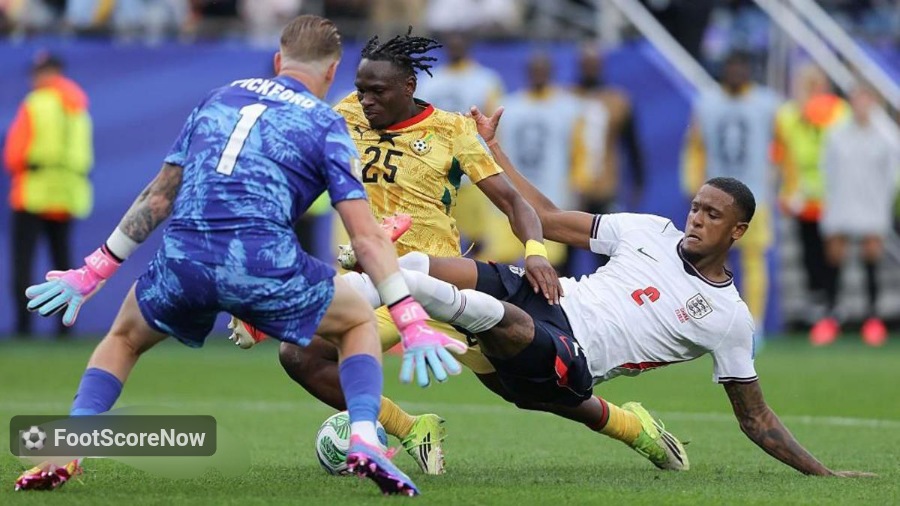
In a tense World Cup encounter between England and Ghana, the question of a potential penalty for the African side loomed large, igniting discussions among fans and pundits alike. Late in the match, Ghana's Prince Adu made a daring run into the England box, only to be met by Ezri Konsa, who appeared to bring Adu down without making contact with the ball. As the referee waved play on, England supporters breathed a sigh of relief, but the incident has raised eyebrows regarding the consistency of officiating and VAR intervention in the tournament. With many believing that Ghana was denied a clear penalty, the moment encapsulated the ongoing debate about the standards of officiating in high-stakes matches.
Analyzing the Incident: Was It a Clear Penalty?
The incident in question occurred in the latter stages of the match, which ended in a goalless draw on June 6, 2023. As Adu charged into the box, Konsa's airborne challenge caught him on the knee, raising immediate questions about the legality of the tackle. Despite replays indicating that Konsa had not made contact with the ball, the referee decided against a penalty. Prominent football figures, including former England striker Wayne Rooney, weighed in on the decision, suggesting that it was a clear foul. Rooney stated, "Konsa takes a huge risk... he gets the man, not the ball," implying that the challenge warranted a penalty award. Micah Richards echoed this sentiment, noting the importance of protective officiating, even in pursuit of a match-winning goal.
This incident shines a light on the broader context of officiating in major tournaments. In the past, high-profile matches have seen significant scrutiny regarding penalty decisions, especially given the advancements in VAR technology. The standard for awarding penalties has fluctuated, with some referees opting for leniency in high-stakes situations. The World Cup, under the guidance of Pierluigi Collina, aims for a higher threshold for challenges, which could explain the reluctance to intervene in this particular case. As such, the incident reflects the ongoing struggle between maintaining the flow of the game and ensuring that fair play is upheld.
- Date: June 6, 2023
- Final Score: England 0 - 0 Ghana
- Shots on Target: England 4, Ghana 2
- Possession: England 65%, Ghana 35%
- Ghana had not been awarded a penalty in their last eight World Cup matches.
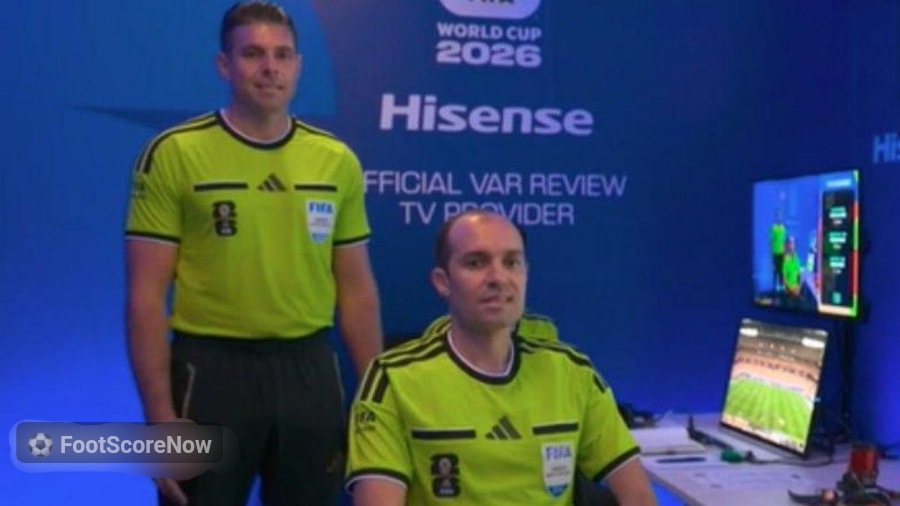
The VAR Perspective: Why No Intervention?
The absence of a VAR review for the incident has sparked further debate about the role of technology in the game and its implementation during the World Cup. VAR was introduced to ensure that clear errors do not go unpunished, but the parameters for intervention have become a topic of contention. The decision not to review Konsa's challenge suggests that there is a conscious effort to uphold the flow of the game while still adhering to the rules of the sport. However, this raises questions about the consistency of VAR's application compared to domestic leagues, where similar incidents might have been scrutinized more closely. Darren Cann, a former assistant referee, captured this sentiment aptly, expressing his belief that the incident should have been referred for review.
Despite the absence of a penalty call, the incident has reignited long-standing debates about VAR's efficacy and the criteria for intervention during critical moments in matches.
"For me, this was a penalty kick." — Darren Cann, Former Assistant Referee
Looking Ahead: Implications for Both Sides
The implications of this decision extend beyond the match itself, affecting both teams' trajectories in the tournament. For Ghana, the inability to secure a penalty in such a critical moment may linger in the minds of players and fans, potentially impacting their confidence in subsequent matches. With the World Cup stage set for intense scrutiny, players may feel additional pressure when pushing for fouls in the box. Conversely, England's defense, though relieved, must remain vigilant as the tournament progresses. The challenge from Adu serves as a reminder of the quality and tenacity that opponents can bring, suggesting that complacency could be their undoing.
As the World Cup unfolds, the question remains: will this incident influence future penalty calls and the overall perception of officiating? With the stakes higher than ever, both teams will need to prepare for the unpredictable nature of tournament football, where one decision can have far-reaching consequences.