A Tournament Built on Contradictions
Every World Cup takes on a personality of its own, and this one has settled into something genuinely strange: brilliant football wrapped inside a bundle of off-field noise. The rest day gives everyone a breath, and it is worth using it to work out what will actually be remembered when the trophy is lifted. So far the answer looks like a mix of extraordinary individual quality, near-constant political friction, and a tournament schedule interrupted every twenty-odd minutes by players gulping from squeezy bottles under a sun that refuses to cooperate with a football calendar built for European autumn.
None of that is a complaint, exactly. It is simply the texture of this edition. Fans have watched Lionel Messi conjure moments that remind everyone why he plays the sport at all, while managers have spent as much time discussing pitch temperatures as pressing triggers. It is a World Cup that demands you hold two ideas at once: the football has been sharp, fast and occasionally thrilling, even as the surrounding circumstances keep pulling focus away from the pitch.
The Superstars Still Deliver
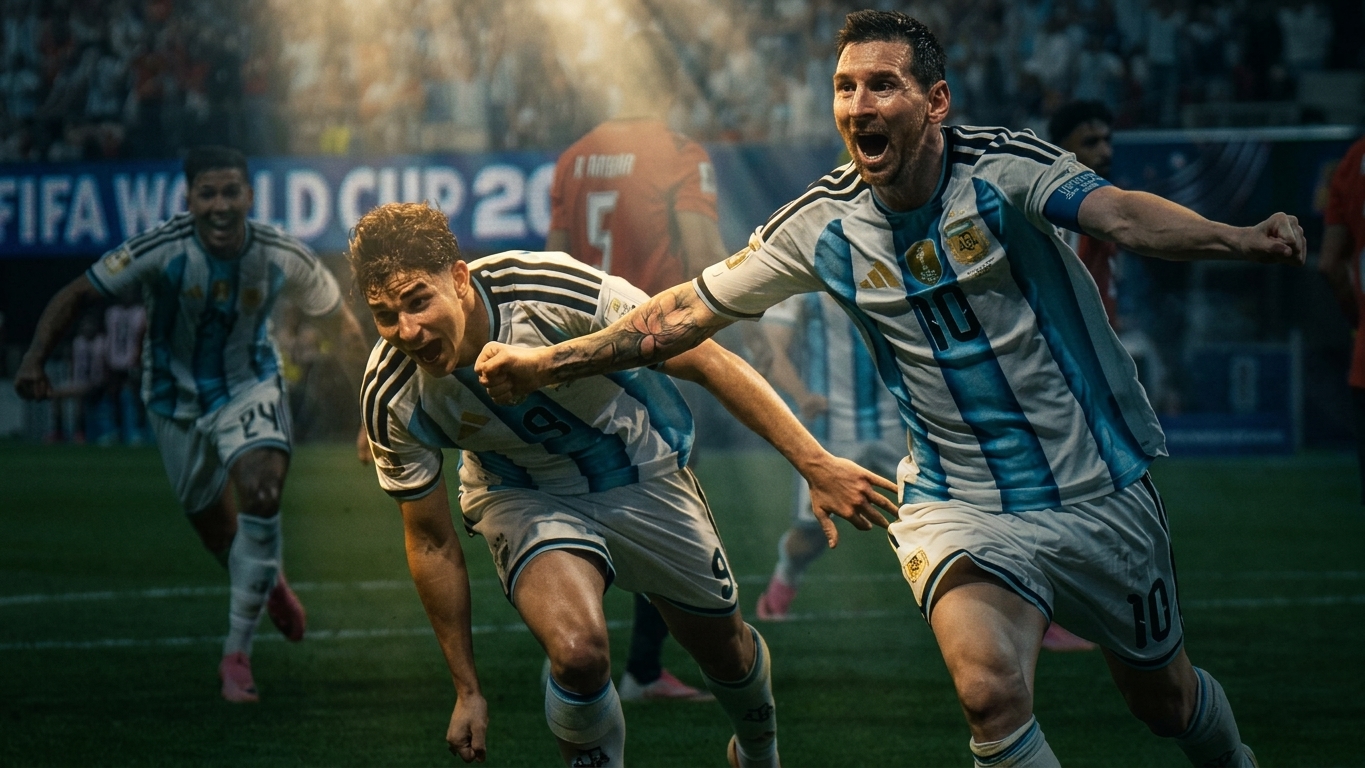
Whatever the noise elsewhere, the players carrying the tournament have not let anyone down. Kylian Mbappé has looked like the fastest man in the competition by some distance, terrorising full-backs who simply cannot match his acceleration over the first five yards. Messi, in what many assume is his final World Cup, has drifted between spells of quiet and moments of decisive brilliance, the kind that turn a cagey group game into a highlight reel inside ninety seconds. Younger names have pushed through too, and that generational handover is part of what makes a tournament like this so watchable.
- Kylian Mbappé - has combined searing pace with genuine end product, terrifying defences in transition
- Lionel Messi - still capable of the decisive pass or finish when a game needs settling
- Bukayo Saka - has carried an attacking burden for England beyond his years
- Enzo Fernández - emerging as one of the tournament's most composed midfield passers
A World Cup can be political and thrilling at the same time, and pretending otherwise does nobody any favours.
Politics Refuses to Stay on the Sidelines
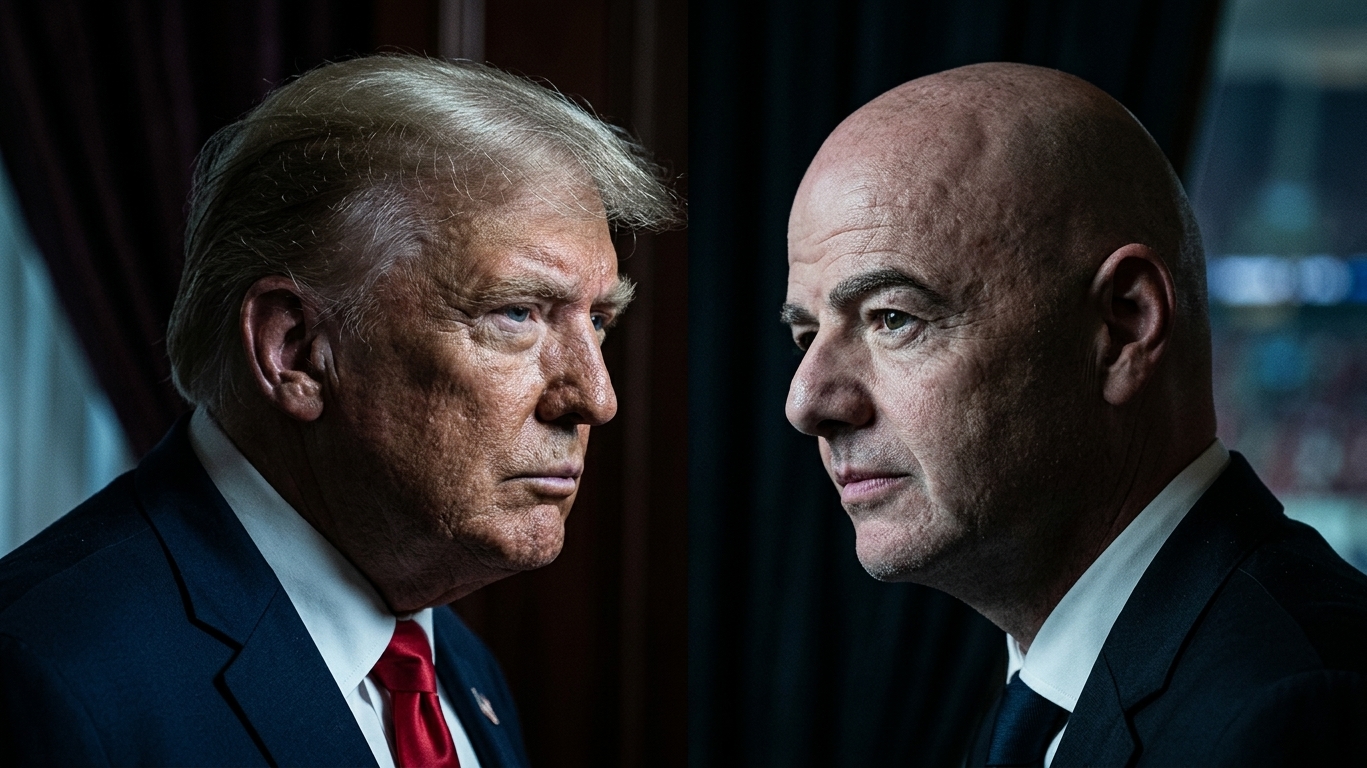
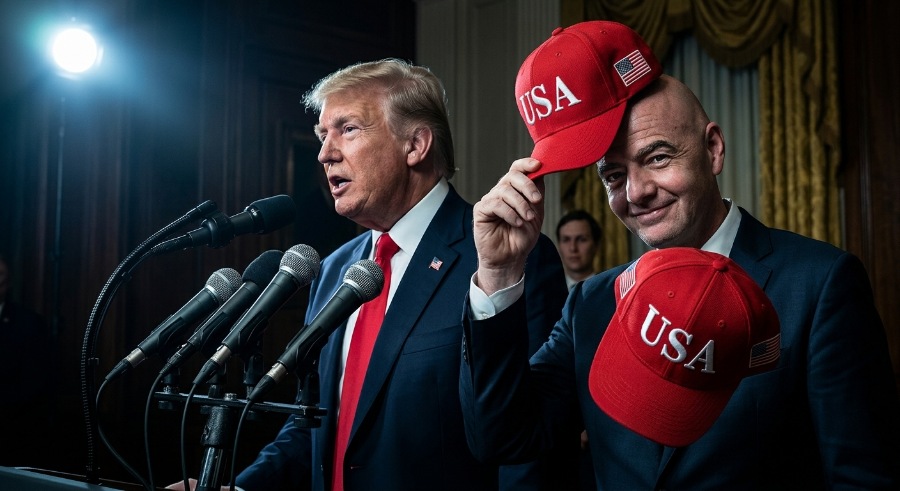
It would be dishonest to write about this tournament without addressing the arguments that have followed it since the bidding process concluded years ago. Armband disputes, migrant worker conditions, and questions over how host nations are chosen have all found their way into press conferences that would once have been dominated purely by team news. Several federations pushed for the OneLove armband before governing bodies intervened, and that single episode has generated more column inches than most of the group-stage football itself. Supporters have arrived with genuinely mixed feelings, torn between loving the sport and uneasy about where it is being staged this time around.
"You cannot separate the tournament from the country hosting it, and pretending football exists in a vacuum was always naive." — Danny Murphy, Former Premier League midfielder and pundit
That tension is not going away, and it should not. Football has always carried politics on its shoulders whether it wanted to or not, from boycotts decades ago to sponsorship rows today. What has changed is the speed at which every decision gets scrutinised online within minutes, meaning federations, players and organisers are all operating under a spotlight far harsher than previous editions ever experienced.
Hydration Breaks and the New Rhythm of a Match
On the pitch, the most visible change has been logistical rather than tactical: the drinks break has become a fixture of nearly every match played in the heat of the afternoon. Referees are now regularly stopping play around the half-hour mark in each half, giving players ninety seconds to rehydrate before continuing. It has altered the rhythm supporters are used to, breaking up momentum just as teams look to build pressure, and managers have started using the pause almost like an extra tactical timeout, delivering instructions pitch-side that would once have waited until half-time.
Some purists dislike the interruption, arguing it disrupts the natural flow supporters travel across the world to watch. Others point out that player welfare has to come first when kickoff temperatures can sit well above what most European leagues ever encounter. Either way, it has become one of the defining visual images of this tournament, players huddled in small clusters around the technical area, coaches crouched with tactics boards, before referees wave play back on.
- Goals per game so far: 2.7
- Average kickoff temperature: 28°C
- Hydration breaks per match: 2 (one per half)
- Players sent off: 3
What the Rest Day Really Tells Us
Stepping back on a day without fixtures, the picture that emerges is of a World Cup that refuses easy categorisation. It has produced moments of stunning quality from its biggest names, while simultaneously forcing uncomfortable conversations that football's authorities would probably rather avoid. The hydration breaks are a small but telling detail, a physical reminder that this tournament sits outside its usual calendar slot and outside its usual comfort zone entirely. None of that diminishes what happens once the whistle blows. If anything, it sharpens the focus on the football itself, because everything surrounding it has been so loud.