The Idea That Never Left the Pitch
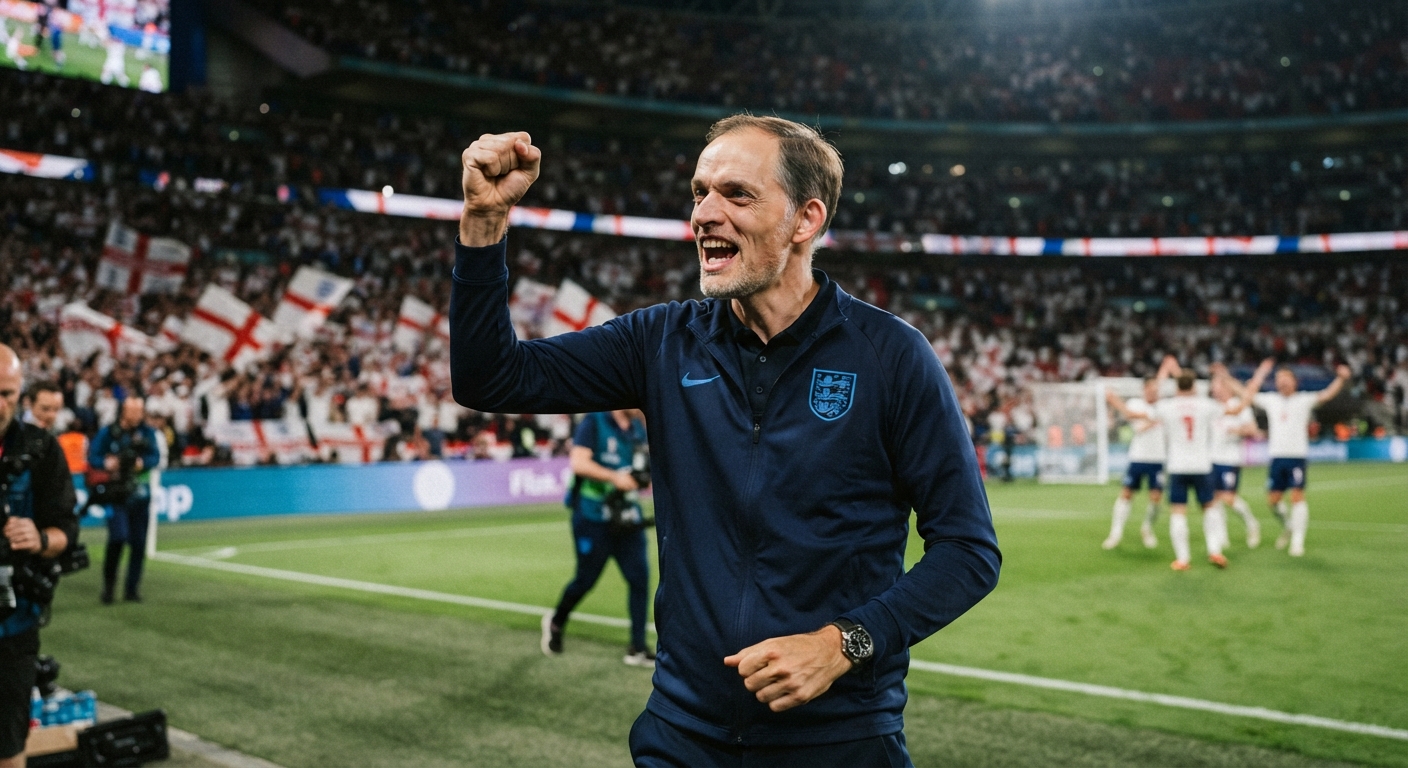
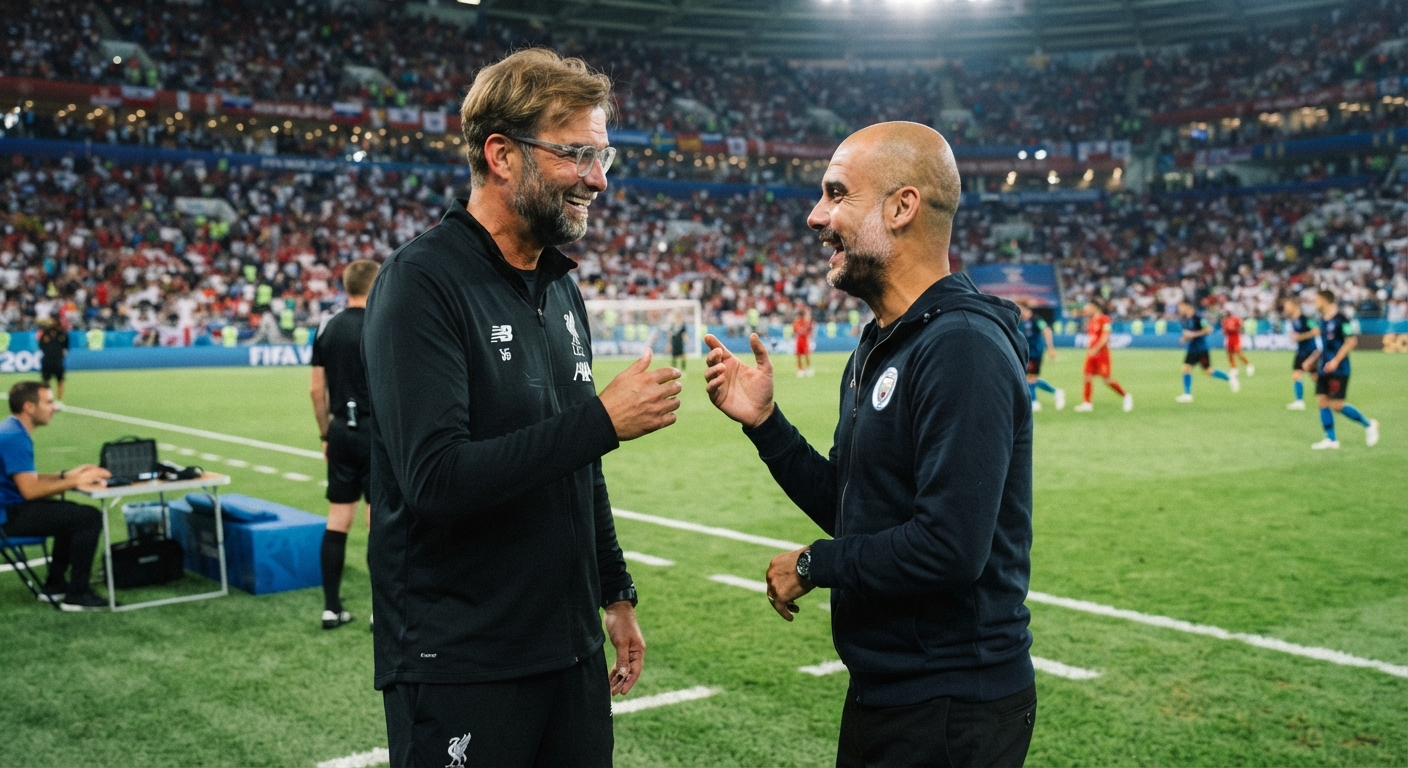
Watch any Round of 16 fixture at this World Cup and you are watching an argument that started in German training grounds nearly two decades ago. When Jürgen Klopp arrived at Borussia Dortmund in 2008, "gegenpressing" was not part of football's everyday language. When Pep Guardiola's Barcelona strangled opponents with tiki-taka a few years later, the sport assumed it had found the final word on how the game should be played. Neither assumption held. What followed was a synthesis of both ideas, and Klopp and Guardiola became the two men most responsible for the tactical grammar every serious coach now speaks — grammar that was on full display when Thomas Tuchel's England pressed Croatia into a 4-2 collapse before grinding out a goalless draw with Ghana to reach the knockouts.
Their legacy is not only measured in trophies, remarkable as that collection is. It is measured in how universally accepted their principles have become. Pressing triggers, coordinated defensive lines, the deliberate use of space in possession — these are no longer novelties. They are the default setting for elite football in 2026, including the version currently deciding this tournament's knockout stage in stadiums from Toronto to Guadalajara.
Gegenpressing, From Dortmund's Yellow Wall to a Penalty Shootout in Paraguay's Favour
Klopp's insight was essentially geometric. The moment a team loses the ball, it is disorganised, and the opponent who has just won it is often still clustered in a tight area of the pitch. Press instantly, before that opponent can spread play and find space, and the odds of winning the ball back somewhere dangerous rise sharply. Johan Cruyff had gestured at versions of this idea in the 1970s, but Klopp turned it into a system: repeatable, coachable, drilled into players until it became instinct rather than instruction.
At Dortmund, that system won back-to-back Bundesliga titles and took the club to a Champions League final. At Liverpool, refined around the specific attributes of Jordan Henderson, Roberto Firmino, Mohamed Salah and Sadio Mané, it produced arguably the most compelling attacking unit English football has produced this century, and a Champions League and Premier League double inside a two-year span. It is a cruel irony, then, that Germany — the nation that gave gegenpressing its name — went out of this World Cup on penalties to Paraguay, undone not by a lack of intensity but by the same tactical discipline their own coaching pipeline helped export to the rest of the world.
The ideas Klopp and Guardiola argued over for a decade are no longer opinions. They are the operating system.
Positional Play and the Guardiola Blueprint
Guardiola's contribution ran in a different direction but toward the same destination. Where Klopp obsessed over the moment possession changed hands, Guardiola obsessed over the moment it did not — over structuring eleven players so precisely that the opposition could never quite work out where the next pass was going. Barcelona's tiki-taka evolved, at Bayern Munich and then Manchester City, into something more varied and more ruthless: inverted full-backs, a false nine when the situation called for it, wingers holding width only to abandon it the instant it stopped being useful.
- Guardiola's trophy haul: 38 major honours across Barcelona, Bayern Munich and Manchester City
- Klopp's trophy haul: 14 across Dortmund, Liverpool and the Germany national team
- City's 2023 treble season: 63% average possession across all 63 competitive games
- Liverpool's pressing peak: 2018-2020 passes-allowed-per-defensive-action figures still used as the coaching benchmark
- UCL 2025/26 final: Real Madrid beat Manchester City, a symbolic changing of the guard
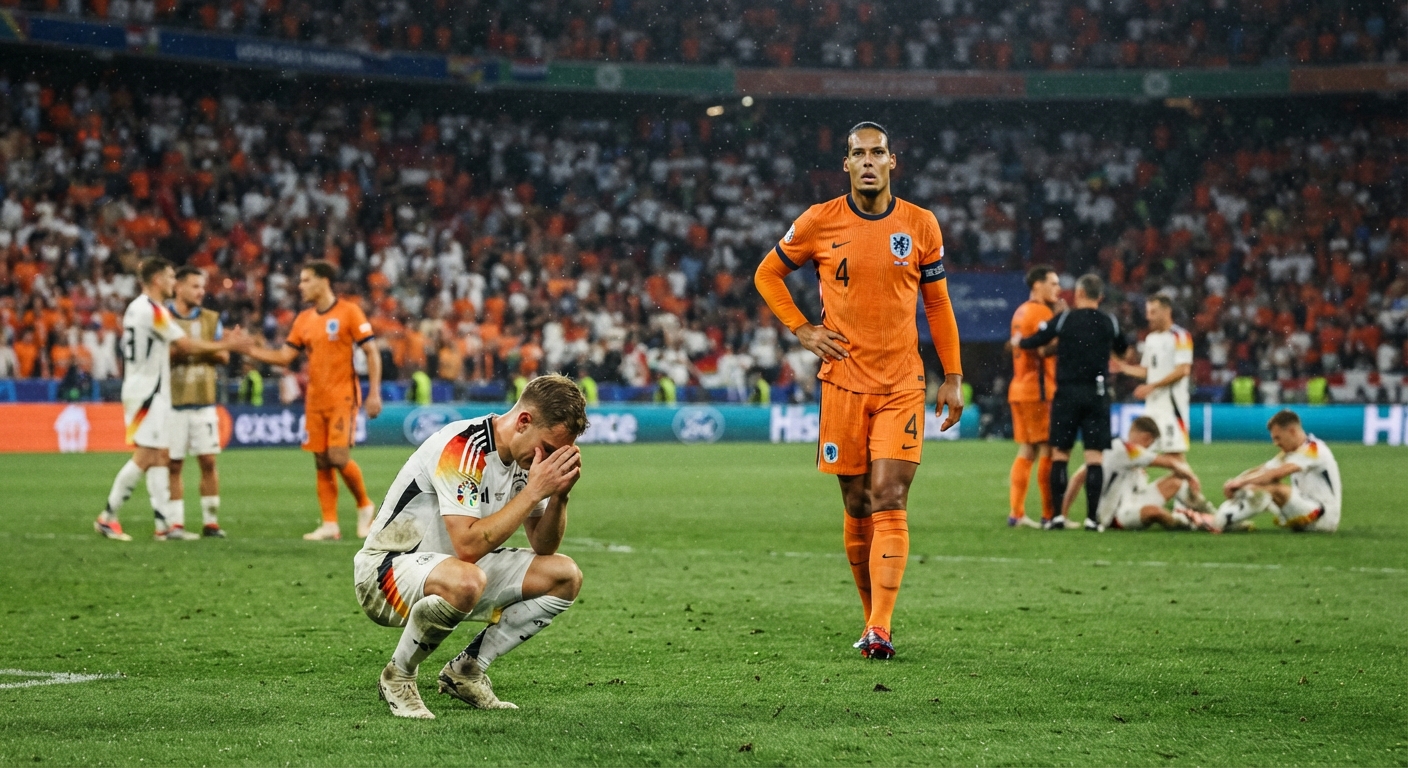
- WC2026 knockout casualties: Germany (pens vs Paraguay) and Netherlands (pens vs Brazil) both eliminated by teams playing hybridised pressing-possession systems
It was fitting, then, that Real Madrid's win over Manchester City in last season's Champions League final felt like more than a single result. It read as a generational marker — proof that the ideas Guardiola pioneered had been absorbed so completely by the rest of the elite game that even his own team could be beaten at its own vocabulary. The Netherlands discovered something similar here, outpressed and outpassed by a Brazil side inspired by Vinicius Jr, whose brace against Serbia and further goal against Scotland have made him this tournament's most complete individual embodiment of modern positional football — equal parts pressing trigger and final-third architect.
Two Careers, One Rivalry, One World Cup
The numbers behind their rivalry are almost absurd in their scale, and they explain why every dugout at this World Cup, whether occupied by Tuchel in England's camp or the coaching staffs guiding Brazil and Paraguay through the bracket, is drawing on a shared vocabulary those two men spent a decade arguing into existence. Scotland's manager knew it too, for all the good it did him — his side were dismantled 3-0 by a Brazil team pressing with Kloppian intent and passing with Guardiola's patience, Vinicius doing the finishing.
"You cannot coach at this level now without understanding both languages — when to suffocate the ball and when to suffocate the space. Pep and Jürgen didn't just win matches, they wrote the textbook everyone in this World Cup is still reading from." — Rio Ferdinand, pundit
Why It Still Matters in the Last 16
Neither Klopp nor Guardiola is patrolling a technical area in North America this summer, but their fingerprints are unmistakable. Every high line that gets exploited on the counter, every midfield press that forces a hurried clearance, every full-back tucking inside to overload central areas — these are inherited instincts, not improvisations. Germany's exit and the Netherlands' shootout defeat to Brazil were not failures of these principles; they were proof of how contested the space has become now that every serious nation has learned to play this way. The teams still standing in the Round of 16 — England among them, Brazil the current benchmark — are simply the ones executing the Klopp-Guardiola synthesis with the fewest errors. That is the real legacy: not a single winning formula, but a shared language fluent enough that the World Cup final on 19 July at MetLife will almost certainly be decided by whoever speaks it most fluently under pressure.