For most of the 2025/26 season, it looked as though English football's three great heavyweights would slug it out until the final bell without anyone landing the decisive blow. Manchester City, Arsenal and Liverpool traded top spot so often between October and April that bookmakers stopped bothering to install a clear favourite. When the dust settled in May, it was Liverpool standing alone with the trophy — Arne Slot's second season in charge delivering the club's twentieth league title and, more pointedly, closing the chapter on the decade in which Pep Guardiola's City had rewritten the ceiling of what a Premier League team could achieve.
City's Machine Finally Shows Its Age
City spent the first half of the campaign playing the same relentless, suffocating football that had carried them to six titles in seven years. Erling Haaland, in his fourth season at the club, was again the division's most feared finisher, scoring freely through autumn and into the new year. But the cracks papered over in previous campaigns began to show for real this time. Rodri's recovery from long-term injury was slower than City had hoped, and without their metronome in midfield the team occasionally looked exactly like what it was: a squad reliant on one irreplaceable player rather than the department of specialists Guardiola once fielded. A jarring run of dropped points in December — a draw at Fulham, defeat at Villa Park, a stalemate against a relegation-threatened Wolves side — cost City the cushion they had built and one they never fully recovered.
City's six-title era didn't end with a single defeat — it ended with three dropped points in December that never came back.
Arsenal's Familiar Story, With a Twist
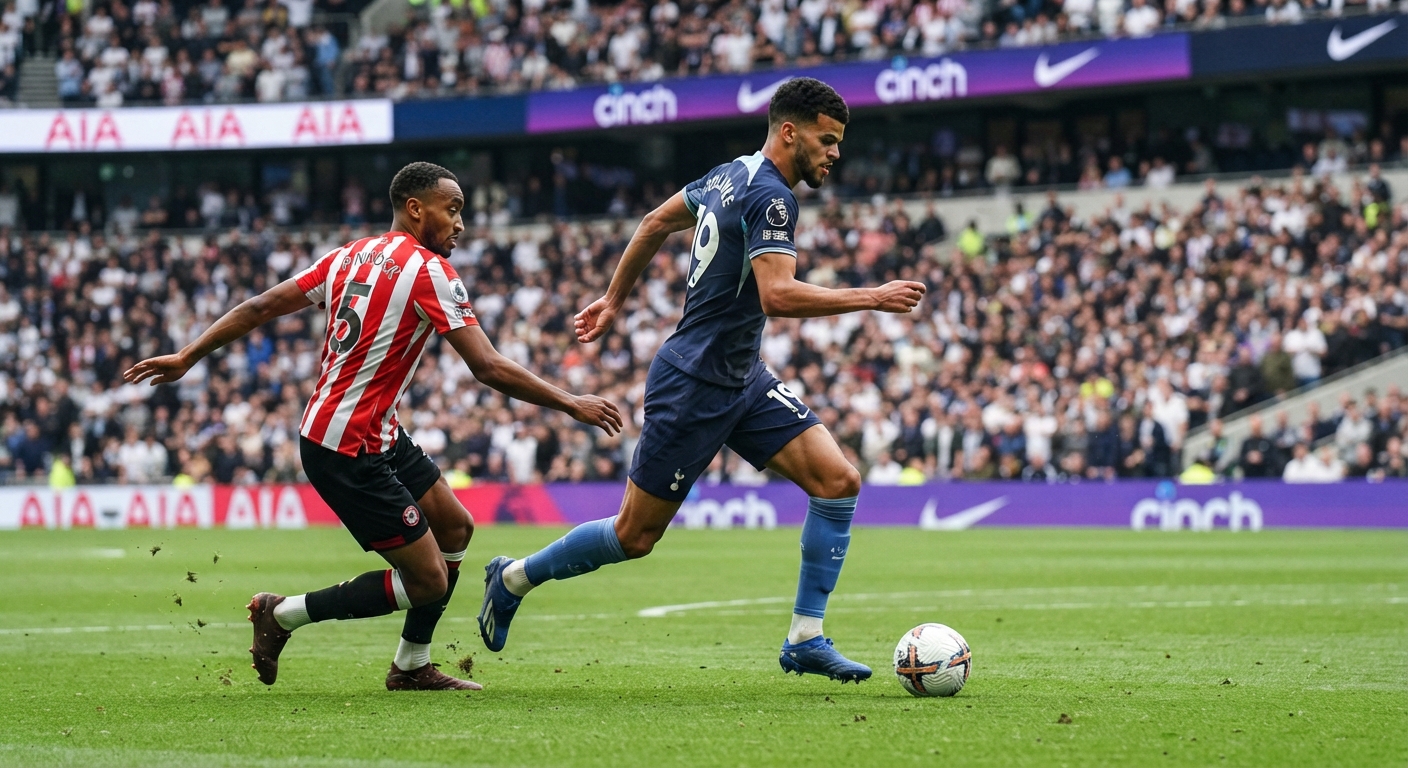
Arsenal, under Mikel Arteta, once again looked like the team best equipped on paper to end their own long wait for the title. The additions to their forward line in the previous two windows had finally given them the firepower missing during their near-misses of 2022/23 and 2023/24, and for a spell in February and March they topped the table on merit, playing some of the most compelling football in Europe. But the Gunners' Achilles heel returned at the worst possible moment. A hamstring injury to a key attacker in the run-in, combined with a punishing week that saw them eliminated from the Champions League quarter-finals by Bayern Munich, seemed to drain the belief from a squad that had spent three years being told this was finally their year. Back-to-back draws against Everton and Brentford in April — matches Arsenal had been winning comfortably twelve months earlier — opened the door Liverpool needed.
- Champions: Liverpool — 20th English league title, Arne Slot's second season in charge
- Turning point: Liverpool came from behind twice to beat City 3-2 at Anfield in March
- City's stumble: Dropped points at Fulham, Villa Park and against Wolves in December
- Arsenal's derailment: Champions League quarter-final exit to Bayern Munich, then draws with Everton and Brentford
- Key performer: Mohamed Salah, redeployed centrally, produced one of his most prolific campaigns
Slot's Second Season Reaches Maturity
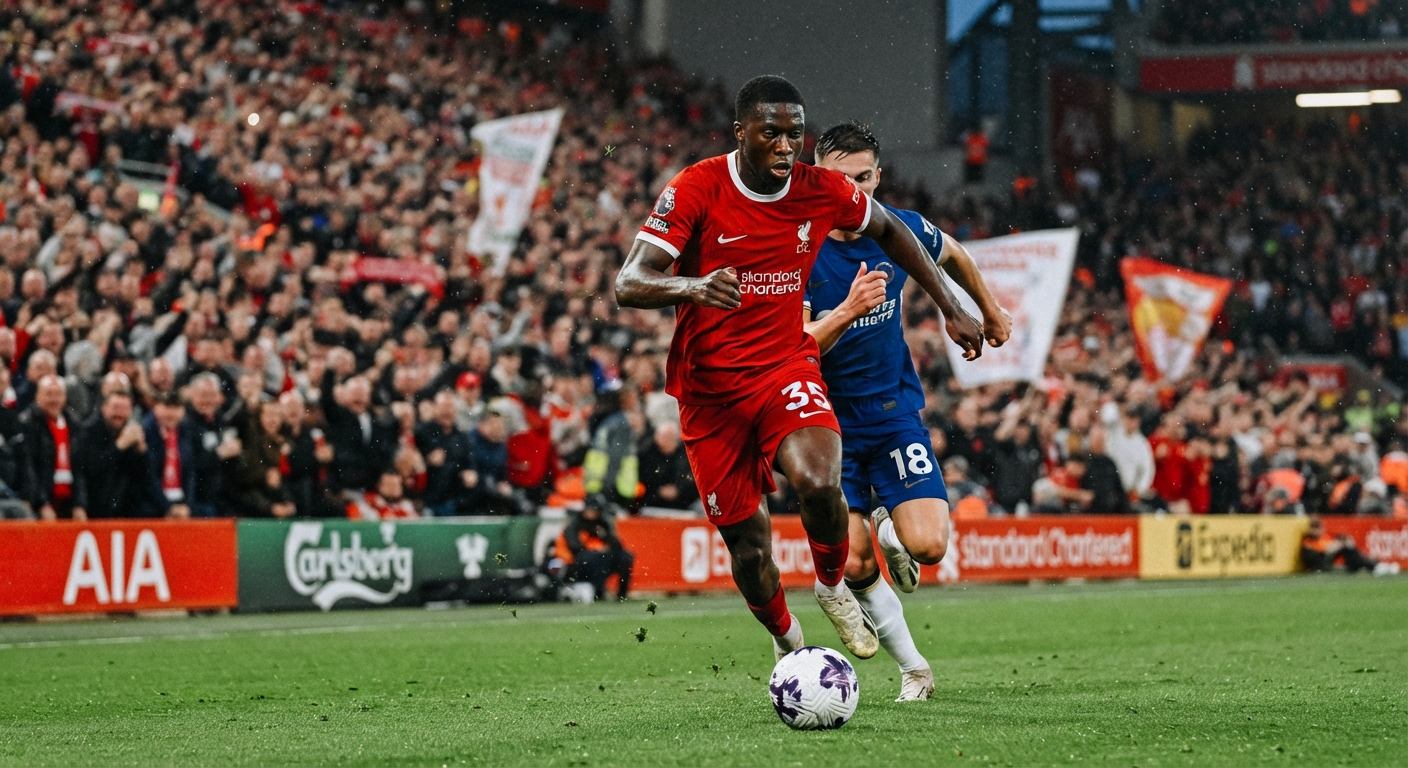
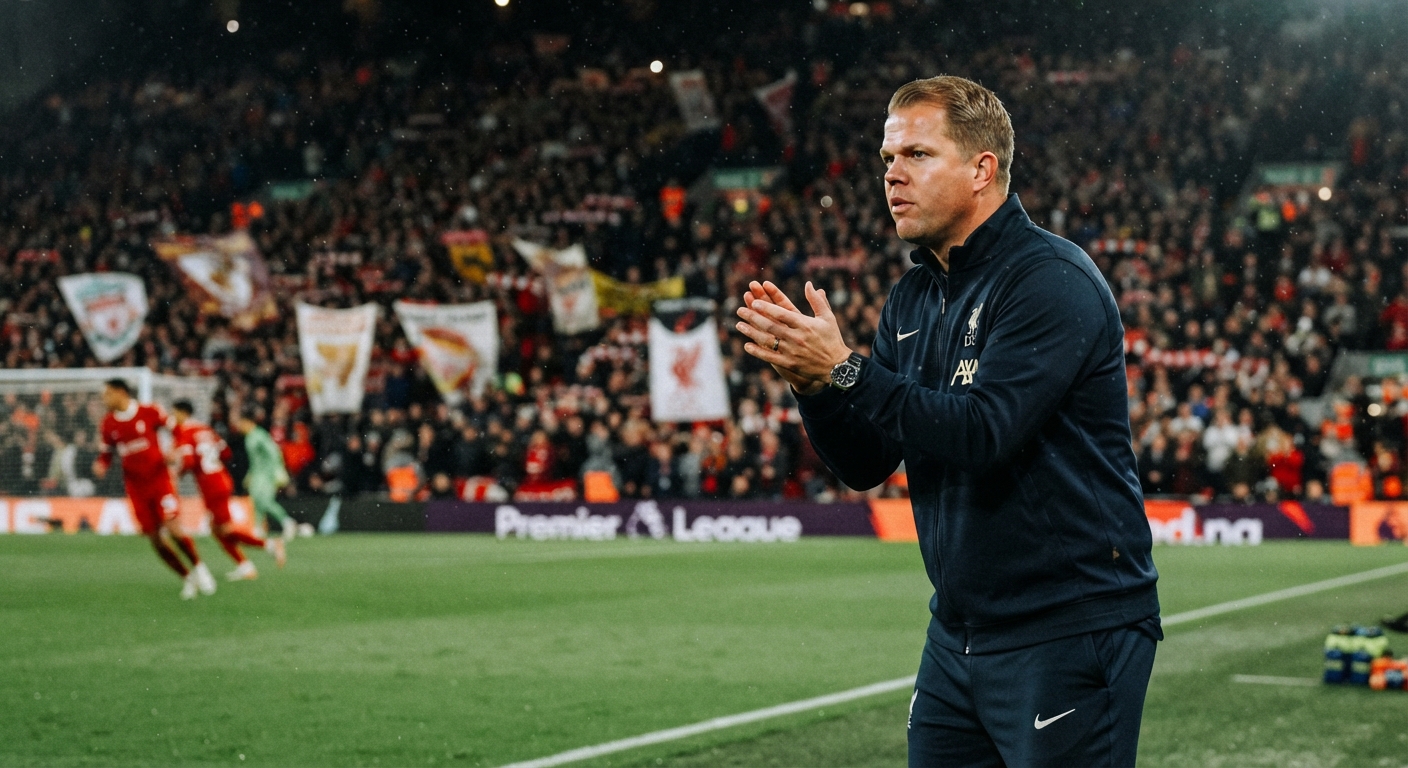
What separated Liverpool from their rivals was not a single moment of brilliance but a season-long refusal to blink. Slot's first year at Anfield had been a title-winning campaign built partly on the momentum and goodwill left behind by Jürgen Klopp; his second was unmistakably his own. The pressing structure was sharper, the rotation policy more ruthless, and the squad Liverpool fielded in April bore little resemblance in personnel terms to the one that had started the season, yet the identity never wavered. Mohamed Salah, deployed more centrally and with license to drift, enjoyed one of the most productive campaigns of his career, while a reshaped midfield — younger, more mobile, less reliant on any single conductor — gave Slot the tactical flexibility to match City's control games and Arsenal's more direct approach in the same fortnight.
The turning point, in hindsight, came on a wet, bruising afternoon at Anfield in March, when Liverpool came from behind twice to beat City 3-2 in a match carrying genuine title-race weight rather than the purely symbolic significance such fixtures sometimes have. It was the kind of result that swings not just points but psychology, and City never again looked like the team that had won four titles in a row between 2021 and 2024. Liverpool followed it with a nervy but ultimately comfortable win, and from that point the destination of the trophy rarely felt in doubt, even as Arsenal briefly threatened to make a race of it into the final month.
"We didn't win this because we were the most talented team in the country every single week. We won it because on the nights we weren't at our best, we still found a way to not lose." — Arne Slot, Liverpool manager
A Title Written in Fine Margins
Strip away the narrative and the numbers tell a story of extraordinary closeness — three clubs separated for months by a handful of points, each carrying obvious flaws alongside their obvious quality. City's over-reliance on Rodri, Arsenal's habit of losing their nerve in the biggest weeks, Liverpool's occasional defensive lapses against direct, physical sides — none of the three contenders were the finished article. What Slot's Liverpool proved is that in a title race this tight, squad depth and composure under pressure matter as much as peak quality. When Arsenal wobbled and City's engine room broke down, it was Liverpool who had built a squad capable of absorbing both an injury crisis and a punishing fixture list without their level dropping.
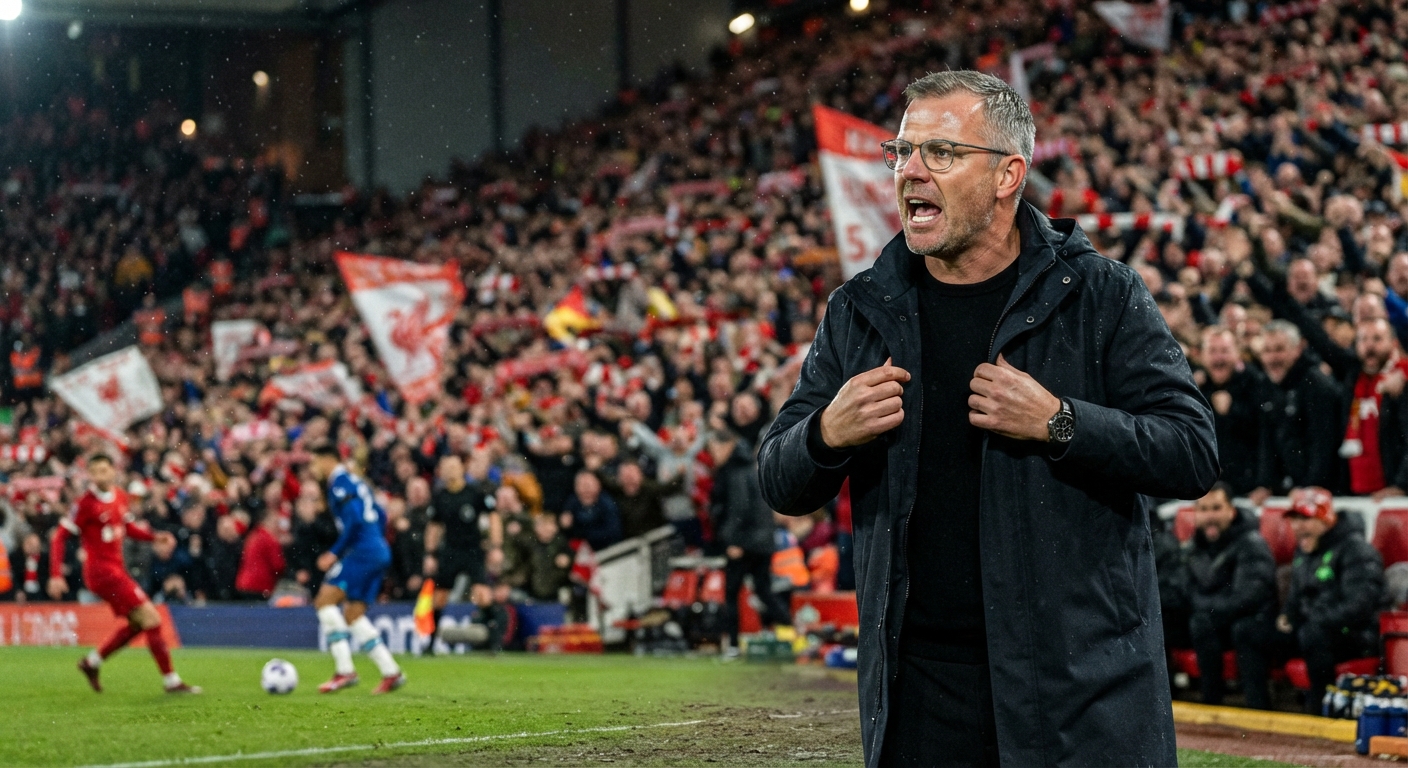
For Guardiola, the questions this summer will be uncomfortable ones about squad rebuilding after the longest period of dominance English football has seen in the modern era. For Arteta, it will be the same conversation Arsenal have had for three years running, now with an added edge of urgency. And for Slot, there is simply the rare, quiet satisfaction of having taken over a champion team and made it unmistakably his own — proof that succeeding a legend doesn't have to mean living in his shadow.