The Numbers That Prove a Revolution Is Happening
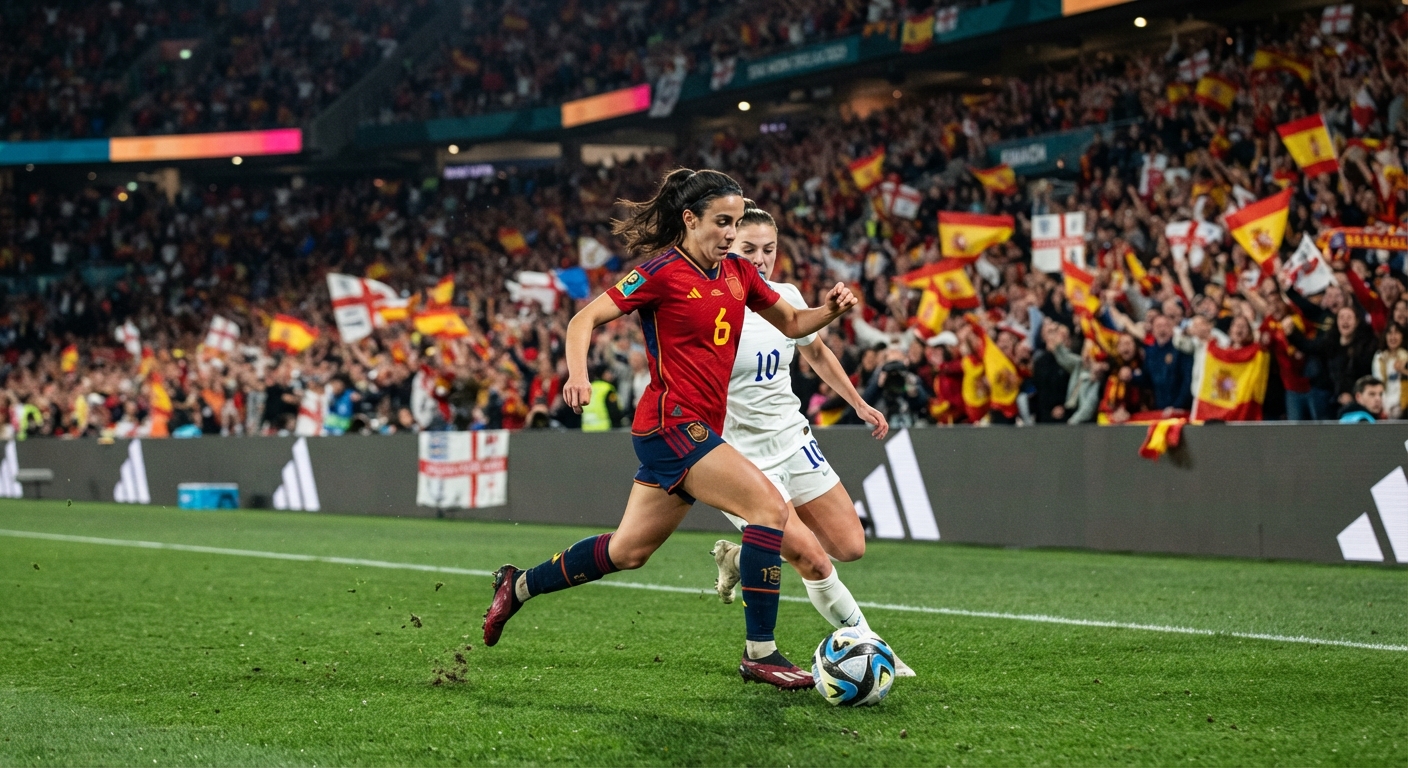
Six years ago, the Women's World Cup final between the United States and the Netherlands drew 82,000 fans to the Stade de Lyon and a global television audience of 1.1 billion. The consensus at the time was that this represented a ceiling — that women's football had found its audience, and that audience was, by football's largest standards, modest. Four years on, the 2023 final between Spain and England in Sydney drew 75,784 fans to Stadium Australia and reached 2 billion cumulative viewers worldwide, the biggest audience in the history of the women's game. The ceiling turned out to be a floor.
The growth has been structural rather than cyclical. Television rights for women's football have risen an average of 400 percent across Europe's top leagues since 2022. Sponsorship has followed the same curve, and attendances in the Women's Super League, the NWSL and Spain's División de Honor Femenina have all set consecutive records in that time. None of it happened by accident, and none of it is close to finished.
A World Cup final ceiling of 82,000 fans and 1.1 billion viewers turned out to be a floor, not a peak.
The Money Is Following the Football, Not the Other Way Round
What separates this growth cycle from the bumps that followed London 2012 or the 2019 World Cup in France is that the audience has stayed. Broadcasters have noticed that women's football retains viewers between tournaments, not just during them, and that has changed how rights packages get priced. Clubs that once treated their women's teams as a compliance exercise now see genuine first-team revenue potential in them.
- WSL average attendance: 14,200 in 2025-26, up from 2,800 in 2018-19 — a fivefold rise in seven years
- NWSL broadcast deal: $240 million, signed in 2024, the first major US TV contract built solely around the women's game
- Attendance record: 91,553 at Camp Nou for Barcelona Femení's 2022 Champions League tie
- Registered players worldwide: 34 million in 2025, up from 14 million in 2010
- Professional leagues globally: 47 nations now run one, double the number in 2015
- 2027 World Cup rights: sold for six times the fee Australia and New Zealand commanded in 2019
Barcelona Femení's Camp Nou crowd is the number that keeps getting repeated because it is the hardest to dismiss as a novelty. That is not a figure padded out by free tickets or a one-off promotional stunt — it is a Champions League knockout crowd that would not look out of place at a men's derby, and it has been matched or approached on multiple occasions since.
Spain's World Champions Changed What the Women's Game Looks Like
Spain's 2023 World Cup triumph was the tactical high-water mark of the sport to date. Their positional play, built on the same possession-based principles that defined La Masia's men's teams for a decade, produced a tournament-winning performance widely praised as technically superior to anything previously seen at a Women's World Cup. Aitana Bonmatí's Ballon d'Or that year was not a consolation prize or a symbolic gesture — it was the recognition of the best footballer in the world, full stop, regardless of gender, and the voting panel said as much.
"We didn't want to just win the World Cup. We wanted to show a way of playing that people would want to copy." — Jorge Vilda, Spain head coach, 2023
The Spanish model — youth development built around technical education and ball retention rather than physicality — has been copied widely since. England, France, Germany and the Netherlands have all restructured their academy pathways around similar principles in the three years since that final in Sydney. The tactical gap between the leading nations and the developing programmes is closing faster than anyone predicted a decade ago, when the idea of a women's team playing like Barcelona's men's side of 2011 would have sounded like fantasy.
Infrastructure Is Finally Catching Up With Ambition
Barcelona, Real Madrid, Chelsea and Arsenal have all built or announced dedicated training facilities for their women's squads in the last three years — infrastructure investment that was almost unheard of before 2020, when women's teams routinely trained on borrowed pitches with hand-me-down kit. That shift matters more than any single attendance record, because facilities are a signal of long-term intent rather than a response to a good news cycle.
Clubs that once treated their women's teams as a compliance exercise now build them their own training grounds.
What Happens Next Decides Whether This Sticks
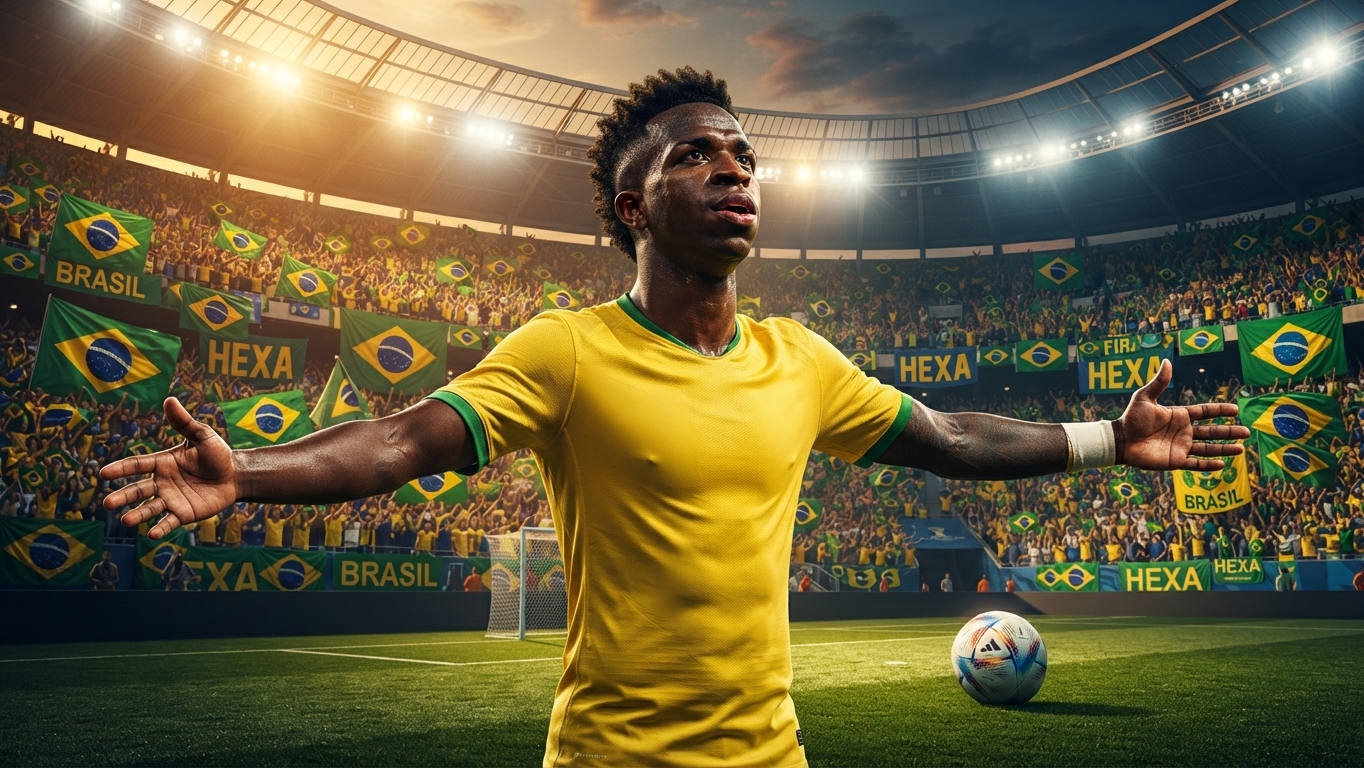
The real test of any boom is what survives the next downturn, and women's football has not yet been through one. Broadcast deals negotiated at four and five times previous value assume continued growth in audience and advertising spend, and clubs that have committed to new stadiums, academies and wage structures are betting that the curve keeps climbing rather than plateauing. So far every indicator — participation, attendance, rights fees — points the same direction. The 2027 World Cup in Brazil, already sold for six times the 2019 fee before a ball has been kicked, will be the next data point in a story that has consistently outrun its own expectations.