England are still standing, which by the standards of this World Cup already counts as an achievement. Germany went out on penalties to Paraguay. The Netherlands followed them out the door, beaten on spot-kicks by Brazil. Scotland were brushed aside 3-0 by a Vinicius Junior masterclass before their tournament even reached the knockout rounds. Thomas Tuchel's side, by contrast, are through to the last 16, carrying the scars of a group stage that swung between thrilling and nervy without ever settling into comfort.
From Wobble to Last 16: How England Got Here
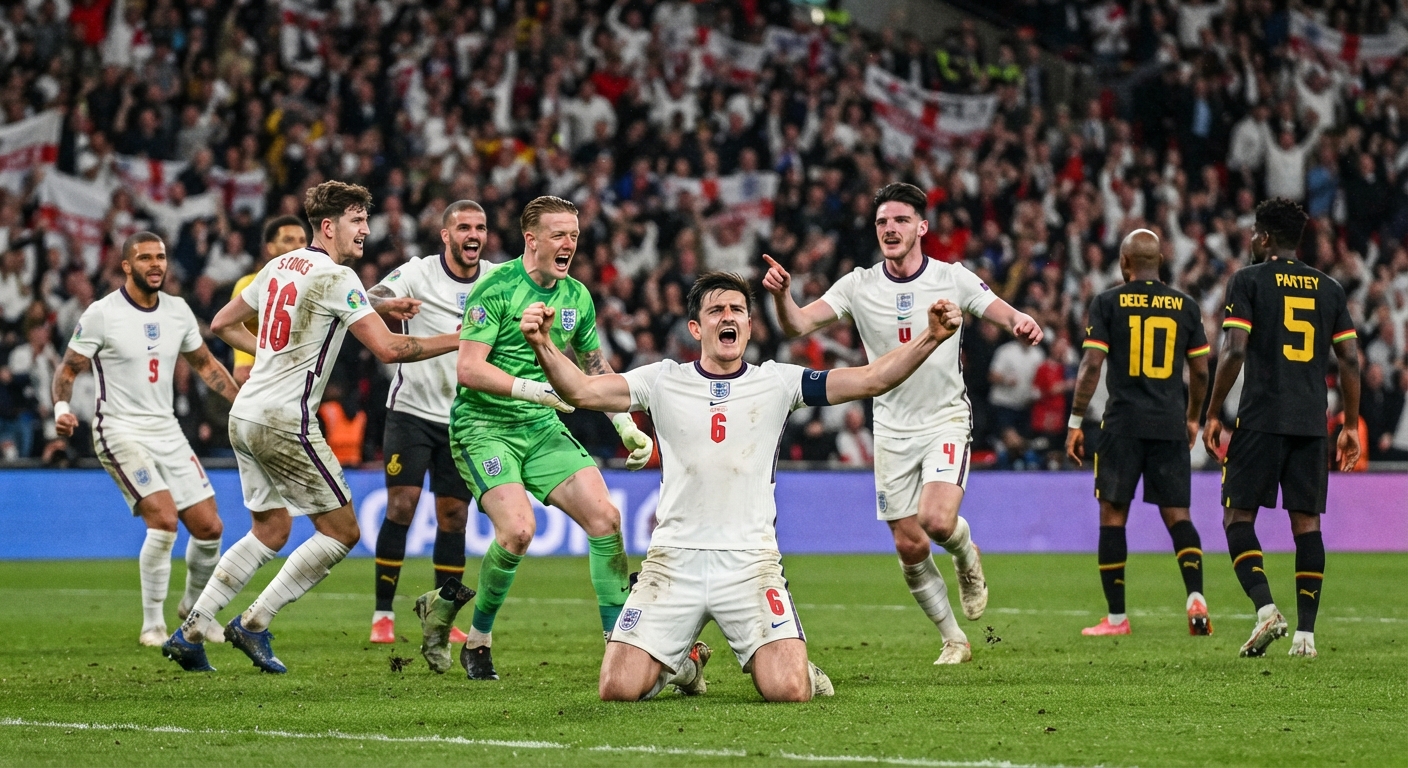
The 4-2 win over Croatia was the kind of performance that swings a tournament narrative overnight. England went behind, found themselves chasing the game, and then tore through a Croatian midfield that looked a step slower than the one that beat them in Russia eight years ago. Bukayo Saka scored twice, Jude Bellingham added the goal that killed the contest, and for ninety minutes England looked like the side their supporters had spent four years waiting to see.
Then came Ghana, and the mood flattened just as quickly. A goalless draw against a team set up to frustrate rather than attack exposed the same old problem: when the space disappears, England still struggle to manufacture it themselves. Tuchel's substitutions arrived late, the crowd grew restless, and the point that sent England through felt more like a survival than a statement.
That inconsistency is not new. English sides have oscillated between brilliance and stodge at major tournaments for a decade, and the gap between the Croatia performance and the Ghana stalemate is really just this squad's recurring theme in miniature. The difference this time is personnel. Bellingham arrives at this World Cup as a Champions League winner, having lifted the trophy with Real Madrid after their final win over Manchester City, and he plays with the calm of someone who has already won the biggest club prize available to him. That composure was visible against Croatia. It went missing against Ghana, when England needed someone to simply take the game by the scruff of the neck.
- Croatia result: won 4-2, two goals for Saka, one for Bellingham
- Ghana result: 0-0 draw, no shots on target after the 70th minute
- Group exits already: Germany and Netherlands both eliminated on penalties
- Manager: Thomas Tuchel, appointed to add ambition to a cautious base
- Captain: Harry Kane, still leading the line at 32
- Standout performer: Vinicius Junior, three goals across Brazil's group games
Tuchel's Tightrope: Balancing Caution and Ambition
Tuchel inherited a squad built for control and has spent his short tenure trying to make it dangerous. Against Croatia, he got both: a back line that rarely panicked and an attack that punished mistakes ruthlessly. Against Ghana, caution won out, and England sat too deep for too long against a side happy to camp behind the ball. The German has talked since arriving in the role about wanting his players to "own the game rather than survive it," and the Croatia win showed what that looks like when it clicks. The Ghana draw showed what happens when it doesn't, and why supporters remain wary of getting carried away.
Every side that goes deep at a World Cup needs a player who can drag a stuck game into life on his own.
The knockout rounds strip away the margin for that kind of inconsistency. There is no back-up group game to put things right, no cushion for a flat ninety minutes. Every England team that has gone deep into a World Cup has needed at least one player capable of dragging a stuck game into life on his own, and Tuchel now has to decide who that player is: Bellingham dropping deeper to dictate tempo, Saka isolating a full-back, or Kane, still leading the line at thirty-two, finding the half-yard he no longer creates for himself but still knows exactly what to do with once somebody else finds it for him.
The Graveyard Shift: Why Nobody Is Safe in This Tournament
If England needed a reminder of how quickly a World Cup campaign can end, they only had to watch the last few days. Germany, four-time champions, are out. The Netherlands, runners-up as recently as 2022, are out. Both lost on penalties, both dominant for long stretches of their matches, both undone by moments rather than sustained pressure. This is a tournament where reputation buys nothing once the knockouts start, and where Brazil's Vinicius Junior — who has been the single most dangerous forward of the group stage — has already shown exactly how ruthlessly a great individual can end a lesser side's summer, as Scotland discovered when he inspired that 3-0 defeat.
"You don't get credit in the knockouts for how you looked three weeks ago. Every match is its own examination, and you either pass it or you go home." — former England defender Rio Ferdinand, speaking on tournament analysis
England will take some comfort from simply being one of the sides left when others of genuine pedigree have already packed their bags. But comfort is different from confidence, and Tuchel knows it. The Ghana performance will have told opponents scouting England's next fixture exactly where to apply pressure: deny space centrally, sit deep, and dare England to break the pattern themselves. Croatia offered the opposite evidence, of a team that can be lethal in transition when the game opens up.
What Comes Next
The truth is England have shown both faces of themselves inside a single group stage, and the last 16 will not forgive whichever version turns up on the day. Bellingham's calm, Saka's directness, and Kane's know-how in the box give Tuchel more attacking tools than most of his predecessors carried into a tournament. Whether he can get them firing together, rather than in alternating matches, is the only question that now matters. Germany and the Netherlands would both tell him there is no such thing as a safe knockout tie. England, of all teams, should already know that better than anyone.