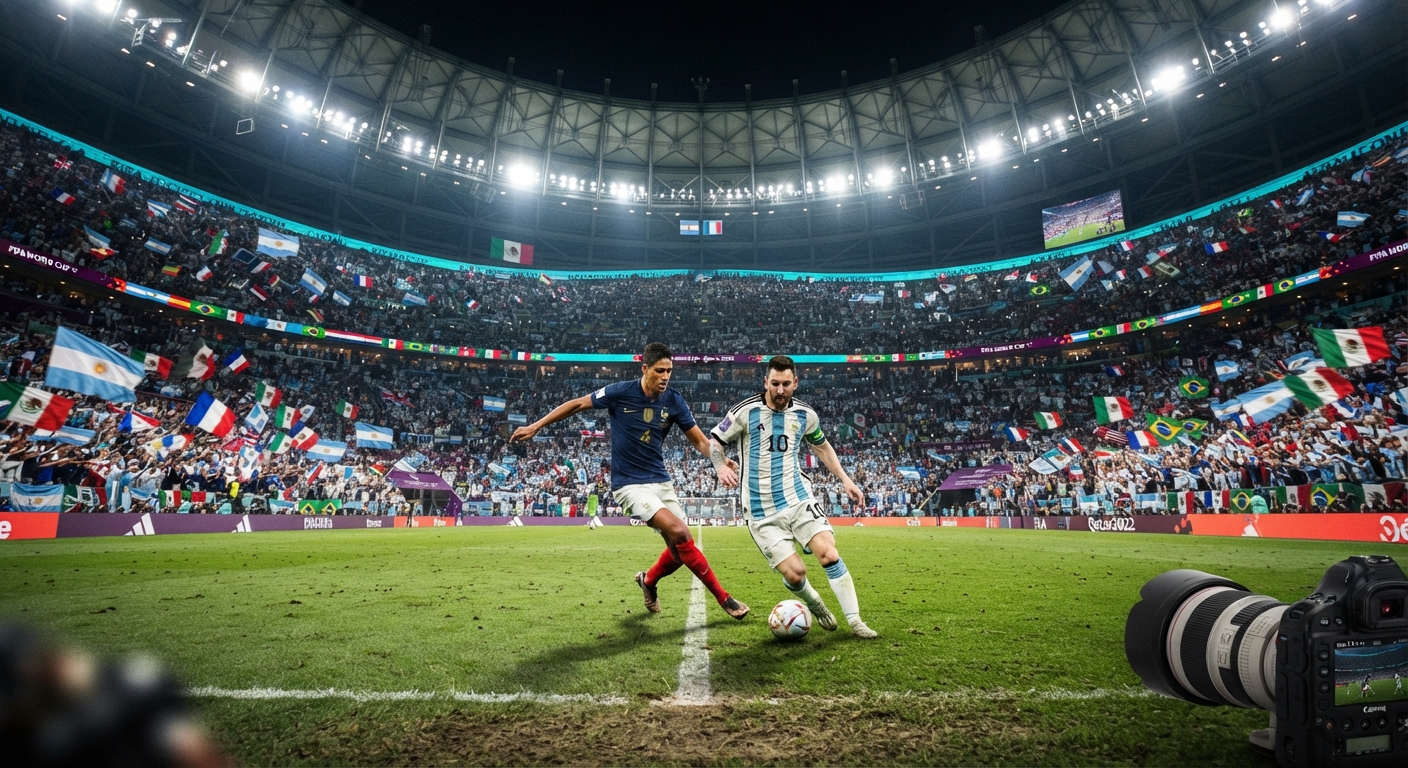
Sixteen Cities, Three Countries, One Sprawling Tournament
Ten days into the knockout stages, the scale of this World Cup is no longer theoretical. The 2026 tournament is being played across 16 host cities in the United States, Canada and Mexico, and the Round of 16 fixtures now unfolding are exposing exactly what that geography means in practice — teams and fans criss-crossing three time zones, altitude shifts from sea level to over 2,200 metres in Mexico City, and stadium atmospheres that swing from NFL-scale spectacle to the compact intensity of Monterrey. England's route through the group stage — a 4-2 win over Croatia followed by a 0-0 draw with Ghana — has already taken Thomas Tuchel's squad through two markedly different environments, and how his side adapts to whatever venue awaits next in the last 16 could matter as much as team selection.
Every host city has imprinted something on the tournament already. New York-New Jersey's MetLife Stadium, at 82,500 capacity, will stage the final on 19 July, and the media circus building around it dwarfs anything a World Cup final has generated on American soil. Los Angeles's SoFi Stadium, all 70,240 seats of it, has hosted the kind of celebrity-adjacent energy that only Southern California can produce. Dallas's AT&T Stadium has given fans the biggest indoor crowds a World Cup has ever seen. And Mexico City's Estadio Azteca — the first stadium to host World Cup matches across three different tournaments, having staged finals in 1970 and 1986 — has reminded everyone why altitude and history still matter in this sport.
Three countries, three time zones, one ball — and the map is shaping results as much as any tactics board.
- Host cities: 16 across USA, Canada and Mexico
- Largest venue: MetLife Stadium, New York-New Jersey — 82,500, hosts the final on 19 July
- Altitude extreme: Estadio Azteca, Mexico City — over 2,200 metres above sea level
- Record attendance mark: USA 1994 average of 68,604 fans per game, still unbeaten
- Monterrey capacity: Estadio BBVA holds 53,500, among the tightest atmospheres in the tournament
- Historic first: Azteca is the only stadium to host matches at three separate World Cups
The United States: Spectacle as Strategy
Eleven American cities are hosting matches, and the production values have been exactly what US Soccer and FIFA promised — slicker broadcasts, bigger screens, louder pre-match build-ups than any previous World Cup has managed. The bigger question was always whether the tournament could convert casual American sports fans into genuine converts over four weeks, and the evidence from the group stage suggests it is working. Grounds have been fuller and louder than sceptics predicted, helped by an MLS fanbase that has grown steadily since 1994 and now shows up in numbers.
That 1994 tournament still holds the record for average World Cup attendance, at 68,604 fans per game, and this edition — with bigger stadiums and a global audience swollen by streaming and social media — has a genuine chance of breaking it. The MetLife final alone will be the highest-profile single sporting event on US soil since the last Super Bowl held at that venue, and the international press pack assembling in New York for it is already larger than anything seen at a previous World Cup.
Mexico City and Monterrey: Where the Football Feels Different
Nothing in this tournament has looked or sounded quite like matches at the Azteca. The altitude changes the way the ball travels and the way lungs cope with a second half, and teams who trained for it have looked visibly sharper than those who did not. Brazil's demolition of a Netherlands side that had looked so composed in earlier rounds — before going out on penalties — carried an unmistakable Azteca signature. Vinicius Jr, who had already scored a brace against Serbia and a further goal against Scotland, thrives in conditions where pace and directness punish tired legs. The Dutch, beaten in a match that will be replayed in analysis for years, found out the hard way what altitude does to a possession game built on quick recovery sprints.
"You can prepare for the opponent, but you cannot fully prepare for the air itself. Every ball feels ten percent faster up there, and by the seventieth minute your legs know it even if your head doesn't." — Marco Reyes, Mexican football analyst
Monterrey's Estadio BBVA has offered the opposite experience — 53,500 fans packed close to the pitch, generating an intensity that smaller, sea-level stadiums specialise in. It is the kind of ground where an upset feels perpetually possible, and Germany's shock penalty-shootout exit to Paraguay, engineered in conditions far removed from the cavernous bowls of the US, fits a pattern this World Cup keeps repeating: unfamiliar surroundings breed unfamiliar results.
Canada's Quiet Efficiency
Toronto and Vancouver have played a smaller supporting role in the headline count, but both have delivered exactly what organisers needed — reliable pitches, manageable travel logistics for European squads landing on the continent, and crowds that, while not matching the volume of Dallas or Los Angeles, have brought a knowledgeable, tactically literate edge to their matches. For teams like England, who used a Canadian base during preparation, the calmer environment has been as valuable as any training-ground work.
What the Last 16 Still Has to Prove
With the knockout rounds intensifying, the venue lottery becomes more consequential, not less. A team drawn into Mexico City without altitude preparation risks the same fate as the Netherlands. A side that thrives on crowd intimidation will find Monterrey a gift and a sprawling NFL stadium a strange, echoing challenge. Tuchel's England, unbeaten so far but yet to be truly tested physically, will discover which version of this tournament's geography suits Harry Kane's side best — and which exposes it. Sixteen stadiums, three countries, one trophy: this World Cup was always going to be decided as much by the map as by the football.