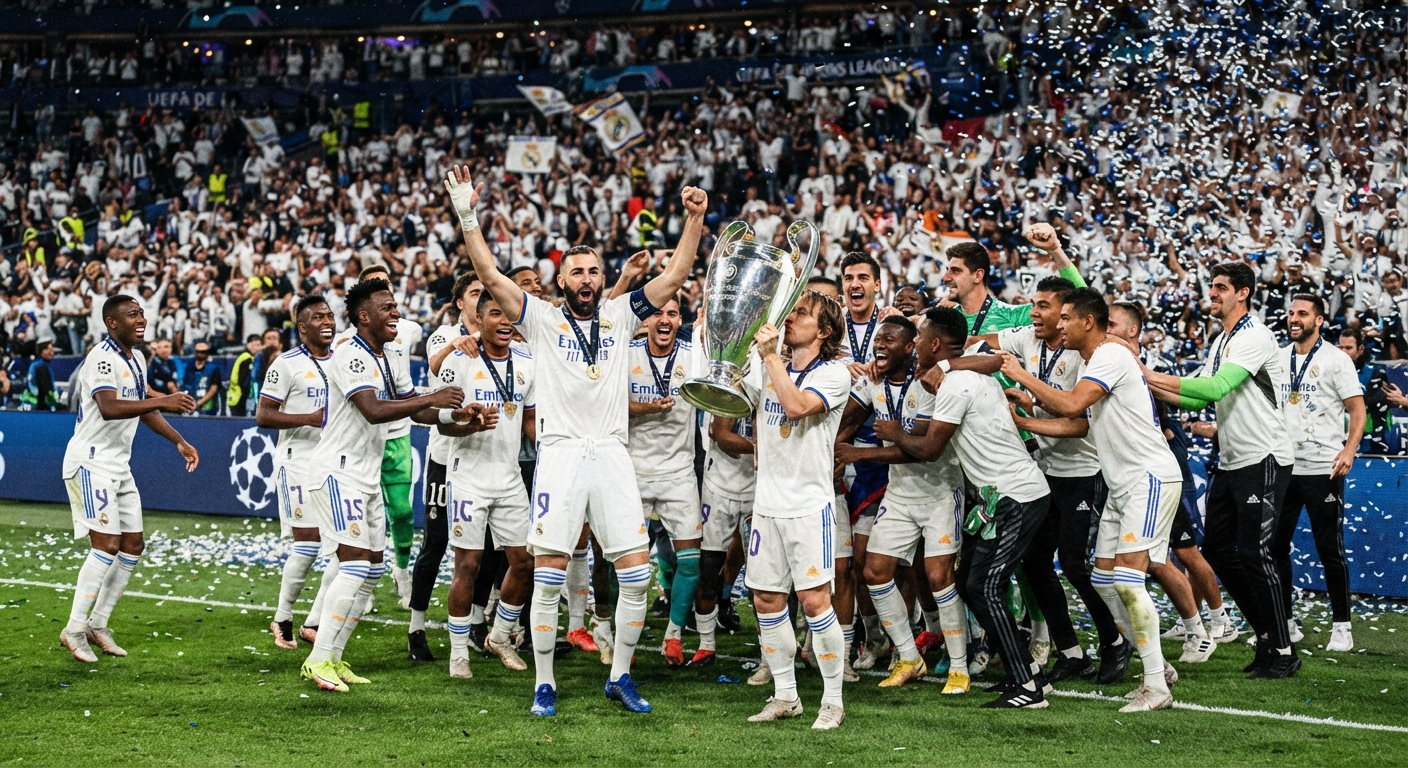
Real Madrid are champions of Europe again, and by the time they lifted the trophy after beating Manchester City in the final, the achievement felt less like an upset than a confirmation of something everyone had half-expected since October. This was the first Champions League to run entirely under the Swiss model league phase, and rather than diluting the competition's magic, the new structure produced one of the most compelling and unpredictable campaigns in the tournament's modern history — one that ended, fittingly, with the two clubs who had adapted to it best standing on the Munich turf at the death.
A League Phase That Punished Complacency
The single-table format, with every side playing eight different opponents rather than three familiar group rivals, exposed weaknesses that used to hide behind kind draws. Clubs could no longer coast through a soft group and arrive in the knockouts undercooked. Bayern Munich discovered this the hard way, dropping points against sides they would once have brushed aside, and had to win their final two league-phase fixtures just to avoid the play-off round altogether. Real Madrid, by contrast, treated the format as an opportunity. Xabi Alonso, Carlo Ancelotti's successor at the Bernabéu, had inherited a squad reshaped around Jude Bellingham and Kylian Mbappé, and they finished the league phase in the top four, dropping just one match all phase — a chastening defeat away to Atalanta that Madrid supporters would later view as the useful jolt their team needed before the serious business began.
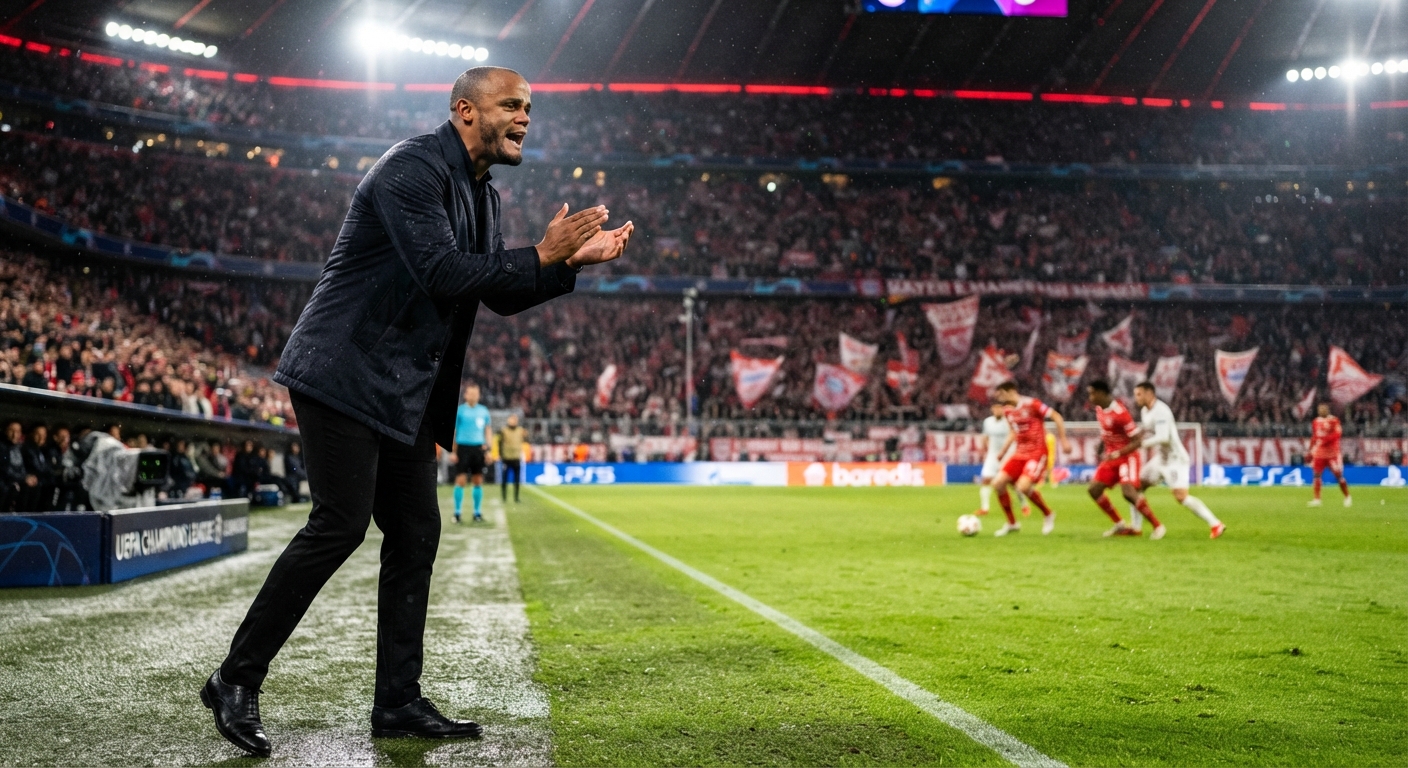
Manchester City's path was messier and, in retrospect, more revealing of the team they would become by May. Pep Guardiola's side stumbled through the middle of the league phase, including a stunning home defeat to Sporting CP that had pundits openly questioning whether City's era of continental dominance had passed. They scraped into the play-off spots rather than the automatic top eight, meaning City had to survive an additional two-legged tie against Feyenoord before they even reached the last 16 — a route that, again in hindsight, hardened them for the knockout gauntlet ahead. Erling Haaland's response to City's mid-season wobble was to go on a scoring run that carried the team through the rest of the competition, his aerial and instinctive finishing proving the difference in tight ties against Borussia Dortmund and, remarkably, against Bayern in the quarter-finals.
- Format: First Champions League played entirely under the Swiss model league phase
- Real Madrid's only league-phase defeat: Away to Atalanta
- Man City's route: Play-off round vs Feyenoord after finishing outside the automatic top eight
- Quarter-final of the tournament: City edged PSG in a seven-goal aggregate thriller
- Semi-final drama: Real Madrid won 3-2 at home to Bayern before surviving away; City needed extra time to beat Inter Milan
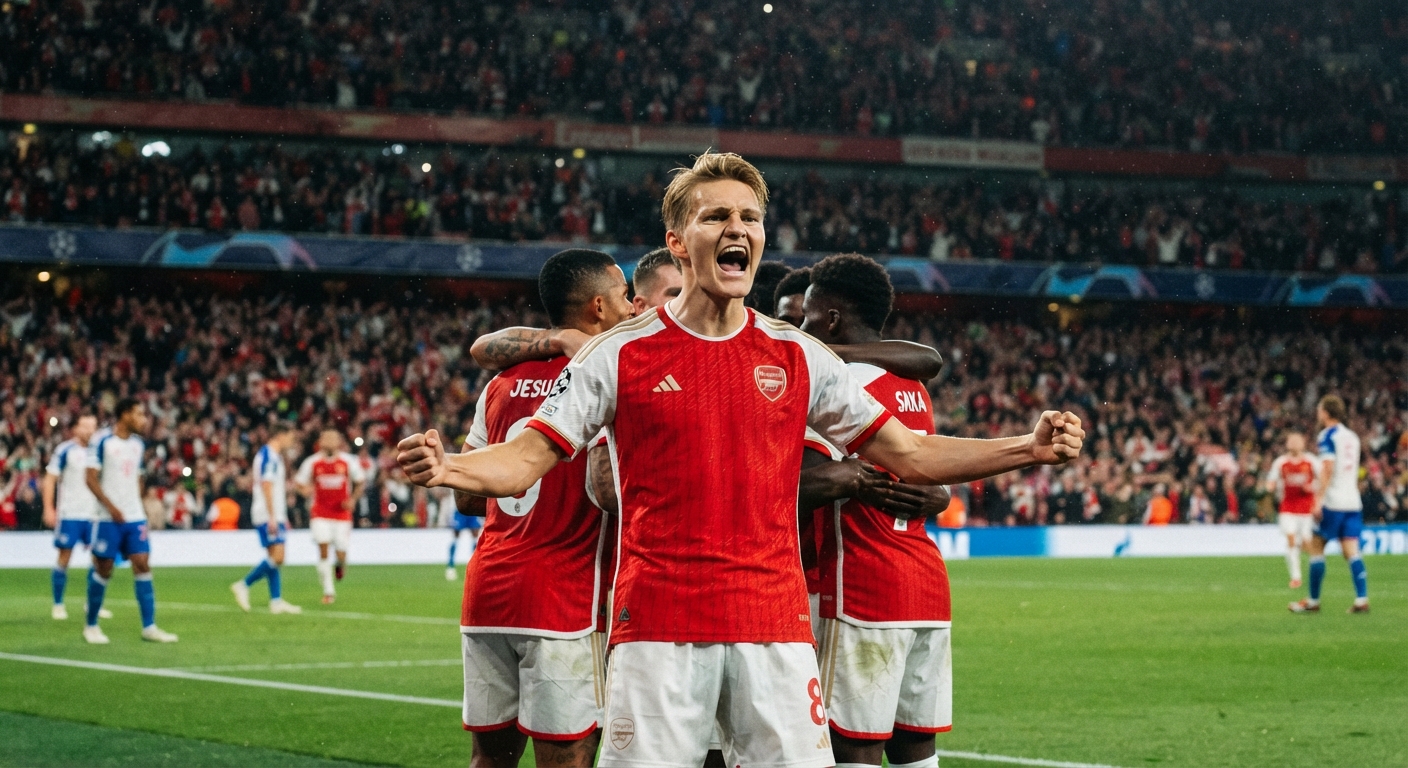
Once the bracket knockout rounds began, the tournament reverted to the tension everyone associates with the old Champions League, only sharper for the quality that had survived the gauntlet of the league phase. Arsenal's long wait for a European crown extended into another year as they were eliminated by Real Madrid in the quarter-finals, undone across two legs by Vinícius Júnior's movement in behind a high defensive line that Mikel Arteta had otherwise coached to near perfection all season. Paris Saint-Germain, dangerous and vertiginous under Luis Enrique, fell to Manchester City in a quarter-final tie decided by away goals in spirit if not by rule, City edging a seven-goal aggregate thriller that many neutrals still regard as the tie of the tournament.
Two clubs who refused to be undone by a format designed to punish exactly that kind of complacency.
Semi-Finals Built for Television
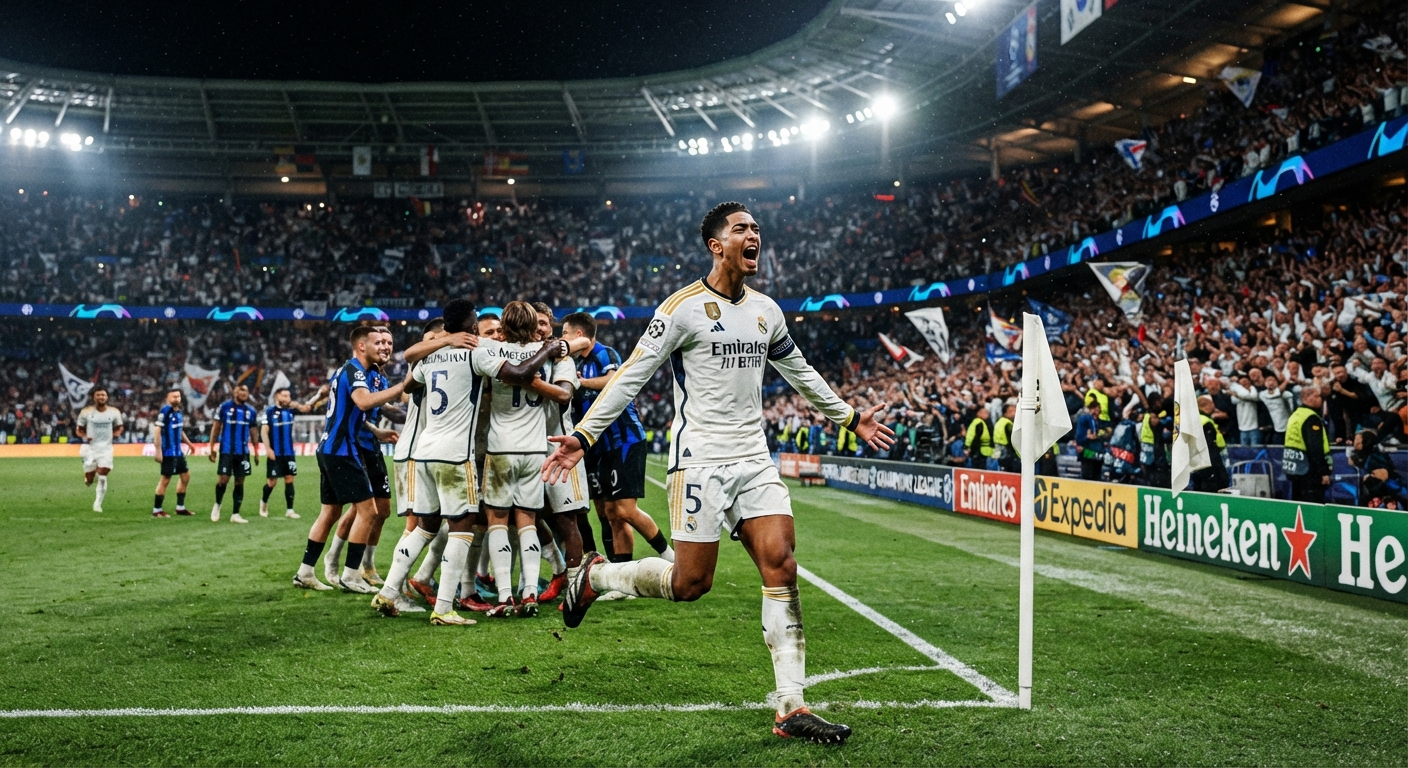
The semi-finals delivered exactly the box-office matchups UEFA's format was designed to protect. Real Madrid faced Bayern Munich across two legs that swung wildly — a 3-2 win at the Bernabéu built on a Bellingham brace, followed by a backs-to-the-wall away performance in which Thibaut Courtois produced the kind of goalkeeping display that used to define Madrid's old European nights under Zinedine Zidane. On the other side of the draw, Manchester City needed extra time to see off Inter Milan, Simone Inzaghi's side pushing City to the brink before Phil Foden's extra-time strike finally broke the deadlock and sent City through to a final against the club that has haunted Guardiola more than any other in his managerial career.
A Final That Refused to Settle
What followed in Munich was chaotic by any measure — a match that swung on moments of individual brilliance rather than tactical mastery, with both sides trading spells of control that never quite hardened into a grip on the game. City probed patiently, as Guardiola sides do, while Madrid waited for the transition that has defined their modern European identity, the counter-attack that turns half-chances into certainties. It was that old instinct, more than any grand plan, that eventually separated the two clubs when the game was there to be won.
Nobody wins the Champions League by accident five times in twelve years.
Bellingham was again central, his energy dragging Madrid up the pitch whenever City threatened to dictate tempo, while Vinícius carried the same directness that had undone Arsenal months earlier. Courtois, once more, was required to be excellent rather than merely present, and delivered. For Guardiola, it was a familiar and painful conclusion — a City side that had matched Madrid for spells of the tie but lacked the ruthless streak that has become the defining trait of this Real Madrid era, one now stretching back well over a decade of European pedigree under different managers and different generations of players.
"This club does not fear these nights. Other teams play the Champions League final — we live for it." — Xabi Alonso, Real Madrid head coach
What It Means Going Forward
For Manchester City, the defeat will sting precisely because of how far they travelled to reach it — from a play-off tie against Feyenoord to within touching distance of the trophy that has eluded Guardiola since his early Barcelona days. Haaland's tournament, prolific as it was, will be remembered as nearly enough. For Real Madrid, the story is simpler and more familiar: a club that treats the Champions League less as a competition to be navigated and more as an inheritance to be defended, with Bellingham and Mbappé now the latest names added to a lineage of players who have made winning in Europe look, if not easy, then at least inevitable.
The Swiss model was supposed to be the story of this campaign, and for long stretches it was — punishing the unprepared, rewarding the adaptable, forcing genuine giants like Bayern and City to fight from unfamiliar positions just to survive. But when the bracket finally narrowed to two, the tournament produced the same conclusion it so often has this decade: Real Madrid, under pressure, in a final, doing what they always seem to do.