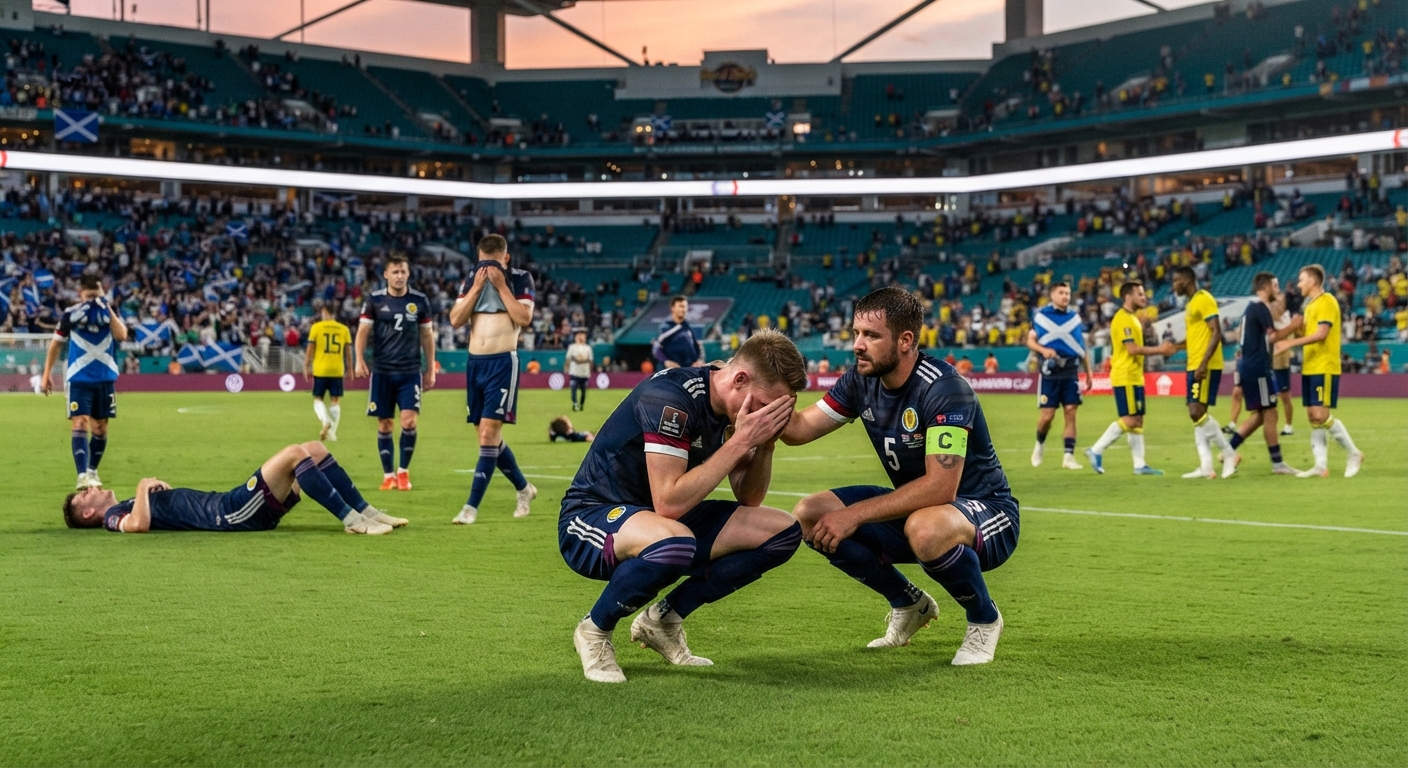
The Tartan Army had spent three weeks doing the sums, checking other scoreboards, refreshing goal-difference tables in Miami bars at two in the morning. By the time the final Group C results came in, the arithmetic no longer mattered. Scotland are out of the World Cup, done in by a run that never got going and confirmed by a 3-0 defeat to Brazil that exposed exactly how far off the pace they were.
A campaign that never found a goal
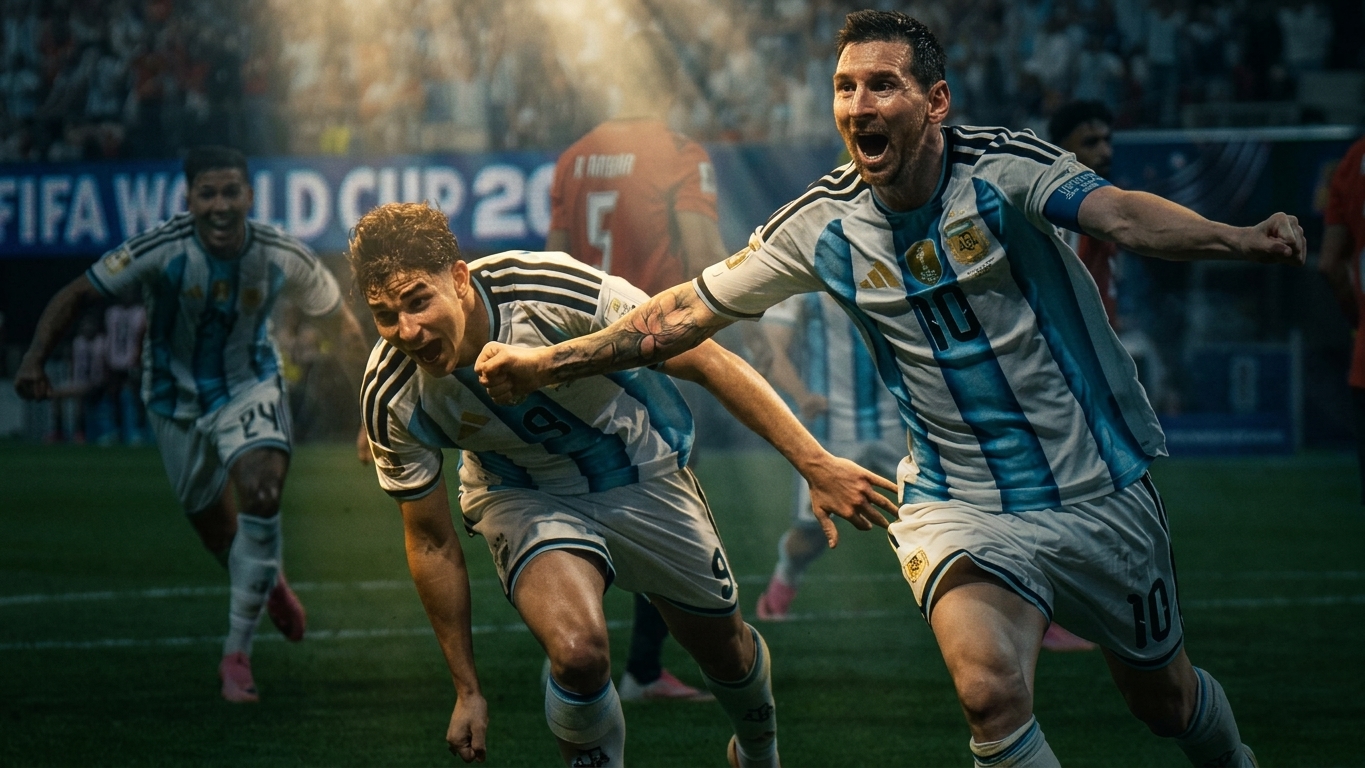
One goal in three group games tells its own story. Scotland managed to be competitive in patches against lesser sides but froze whenever the opposition raised the tempo, and against Brazil they were overrun from the first quarter of an hour. Vinicius Junior, who has terrorised defences throughout the tournament, did the same to Scotland's back line, scoring again to continue a run that has already brought him a brace against Serbia in the group. By the hour mark the game had the feel of a training exercise for Brazil rather than a World Cup knockout decider.
Steve Clarke made changes at half-time that briefly steadied things, but the damage was already done.
- Goals scored: 1 in 3 games
- Goals conceded: 6, including 3 vs Brazil
- Final result: 3-0 defeat to Brazil, Vinicius Jr on target
- Years since last World Cup: qualified for first time since 1998
- Best third-place finish needed: missed by margin, finished outside top eight
Clarke has built a reputation over seven years for organisation and resilience, qualities that got Scotland to a first World Cup since 1998 in the first place. Those same qualities deserted his side when it mattered. John McGinn, typically Scotland's heartbeat in midfield, cut a frustrated figure after the final whistle, admitting the group had "needed something we just didn't have in the final third." It was as honest a summary as any pundit could offer. Scotland created moments in every group game — a disallowed effort against one opponent, a flurry of set-pieces against another — but chances went unconverted, and in a tournament this unforgiving, that is fatal.
One goal in three games is not a slump. It's a verdict.
Twenty-five years of waiting, and counting
The failure to escape the group stage extends a run that has defined Scottish football for a generation. Getting to the tournament at all was treated, rightly, as an achievement after decades in the wilderness, and Hampden erupted when qualification was sealed. But arrival was never going to be enough for a support that has watched near-misses pile up since the 1998 exit against Morocco and Brazil in France. The gap between reaching a World Cup and competing at one has been laid bare again, and it will sting more this time because expectations, however cautious, had been allowed to rise.
What separates this squad from earlier vintages is depth in midfield and full-back areas, yet that talent never translated into control of games against the strongest opponents. Against Brazil, Scotland had spells of possession without ever threatening a disciplined back four marshalled expertly on the counter. It is the same conversation Scottish football has been having since the days of Archie Gemmill: technically capable in patches, short of the ruthlessness required to trouble the best teams when it counts.
"We needed something we just didn't have in the final third. You can't hide from that." — John McGinn, Scotland midfielder
A pilgrimage that outlasted the football
None of that dimmed the scale of the following that made the trip to the United States. Dave Watson, who co-hosts the "No Scotland No Party" podcast, had booked flights home for the day after the Brazil game on the assumption Scotland's tournament would be finished by then — and it was, just not in the way he had hoped when he made the booking. He stayed in New York through the final round of fixtures anyway, unwilling to leave while there was still a mathematical thread to hold onto.
Others went further. Callum, a fan from Linwood, sold his car and walked away from his job to fund the trip, one of thousands of supporters who treated this World Cup less as a holiday than as an obligation to a team that rarely gives them the chance.
What happens now
That devotion is now left processing an ending that feels painfully familiar. Group-stage exits have become the default outcome whenever Scotland do make it to a major finals, and the challenge for Clarke — if he stays on, a question that will dominate the coming weeks — is turning qualification from a triumph in itself into a platform for something more. The gap to Brazil, world class in every position, was always going to be vast. The gap to the sides Scotland should be beating in a group of this kind is the one that will occupy Hampden's inquest.
For now, Miami empties of tartan, the flights Dave Watson booked in hope finally make sense, and Scotland go home to ask the same question they asked after France 1998: not whether they can qualify again, but whether qualifying will ever be enough.