A Rebuild That Delivered Everything Except the One Thing That Matters
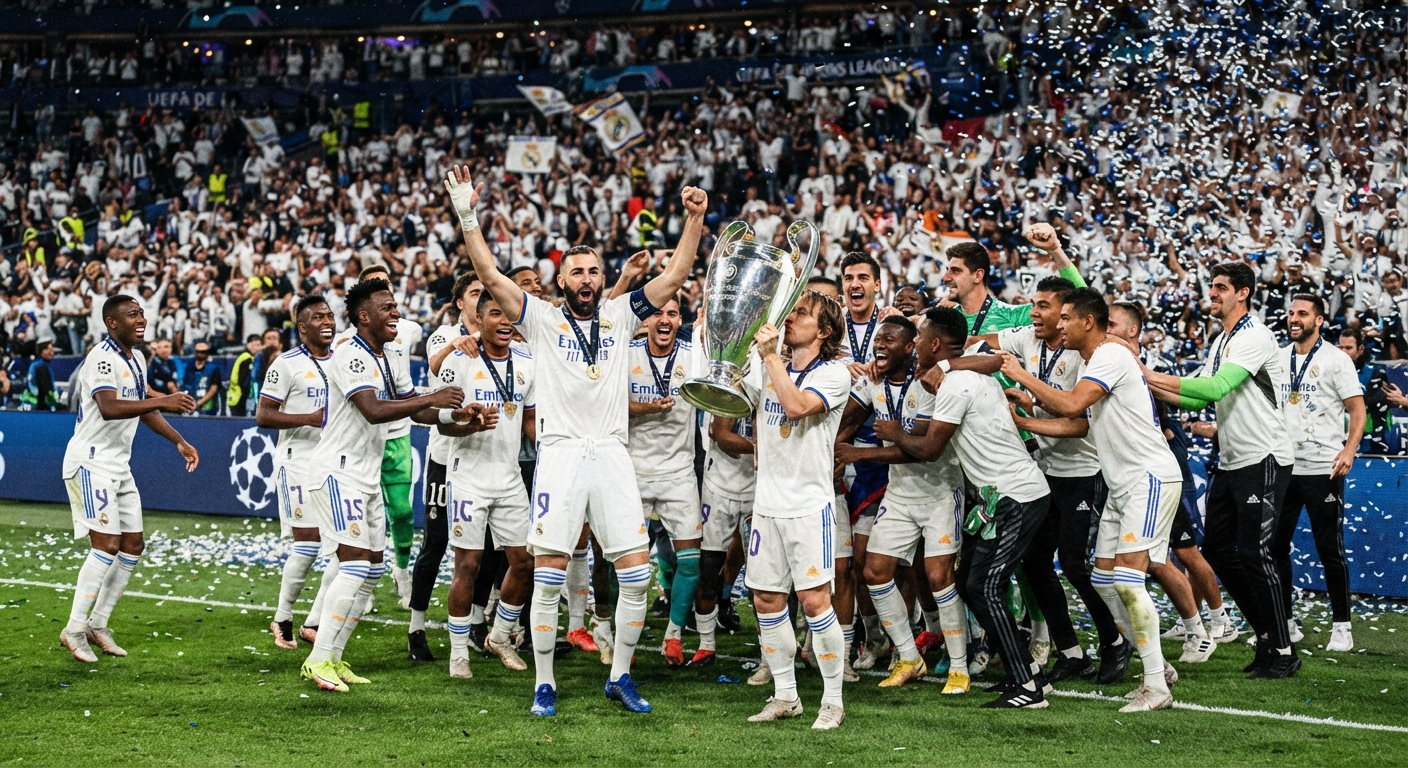
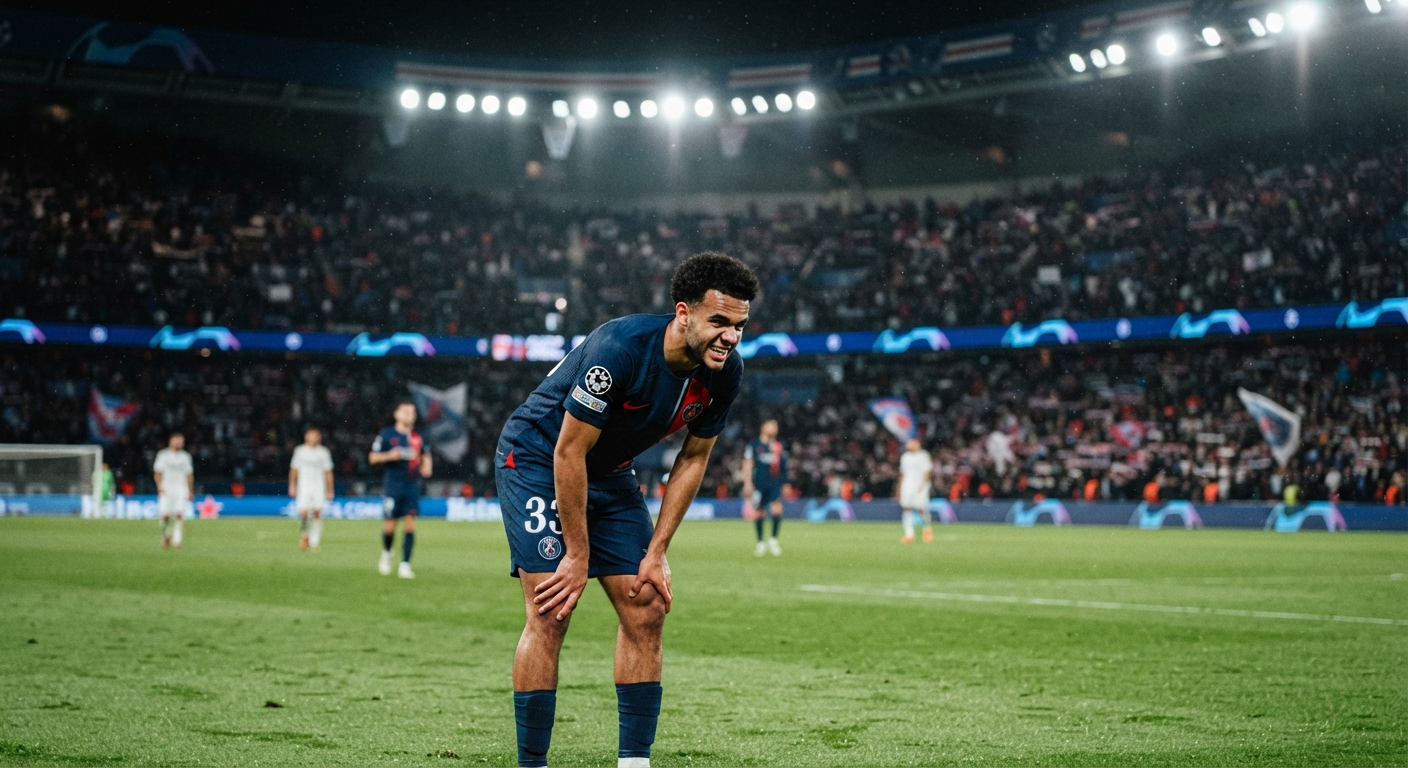
Real Madrid lifted the Champions League after beating Manchester City in the final, and Paris Saint-Germain were nowhere near the trophy lift when it happened. Luis Enrique's side reached the semifinals for the first time since 2020, fell to Arsenal over two of the most tactically dense legs European football produced all season, and were left counting the same number they always count: zero European Cups. The process was the best of the post-Mbappé era. The result was the same old ending.
That shouldn't erase what actually happened this season. For the better part of a decade, PSG ran the most expensive vanity project in the sport, stacking individual brilliance on individual brilliance and trusting star power to win knockout football on its own. It never did. When Kylian Mbappé, Neymar and Lionel Messi all left within eighteen months, it looked like the club unravelling. Two years later it reads as the most consequential structural reset in PSG's history.
System Over Superstars
Enrique built something deliberately opposite to everything that came before: cohesion instead of ego management, a press six or seven players commit to rather than two, a squad built for adaptability instead of magazine covers. Ousmane Dembélé, finally trusted with a free role rather than nailed to a touchline, produced 29 goals and 19 assists — the best season of his career at 28. Achraf Hakimi has been the best attacking right-back on the planet all year. Vitinha and Fabian Ruiz dictate midfield tempo in a way no PSG pairing has since the peak Thiago Motta years.
None of it cost anywhere near what the Neymar-Mbappé-Messi trident did. PSG's current squad was assembled for roughly €420 million — about 45 percent less than that era's outlay — and still out-pressed every side left in the competition, recording the highest PPDA of any team to reach the semifinals.
- Champions League finish: Semifinals, lost to Arsenal
- Last semifinal appearance: 2020
- Dembélé's output: 29 goals, 19 assists
- Squad cost: Roughly €420m, about 45% below the trident-era spend
- Ligue 1 margin last season: Won by a record 14 points
- This season's Ligue 1 gap: 11 points clear with games in hand
Domestically the competitive question is already closed. PSG won Ligue 1 by a record 14-point margin last season and sit 11 points clear with games in hand this term. Continental football was always going to be the real exam, and for three knockout rounds PSG passed it with more conviction than the superstar-era sides ever managed against remotely organised opposition.
A better process narrowed the gap to Europe's elite. It didn't close it.
Where the System Met Its Match
The semifinal against Arsenal was the clearest proof yet that the collective model solves problems the individual-genius era never could — and also where its ceiling showed. In the Neymar-Mbappé years, PSG destroyed mid-table sides and were repeatedly strangled by disciplined opponents who could isolate the two or three players actually carrying the team. Under Enrique, that weakness has mostly disappeared: a defence that compresses to stop Dembélé now has to account for Hakimi, Vitinha and a front line attacking from angles no single structure can cover.
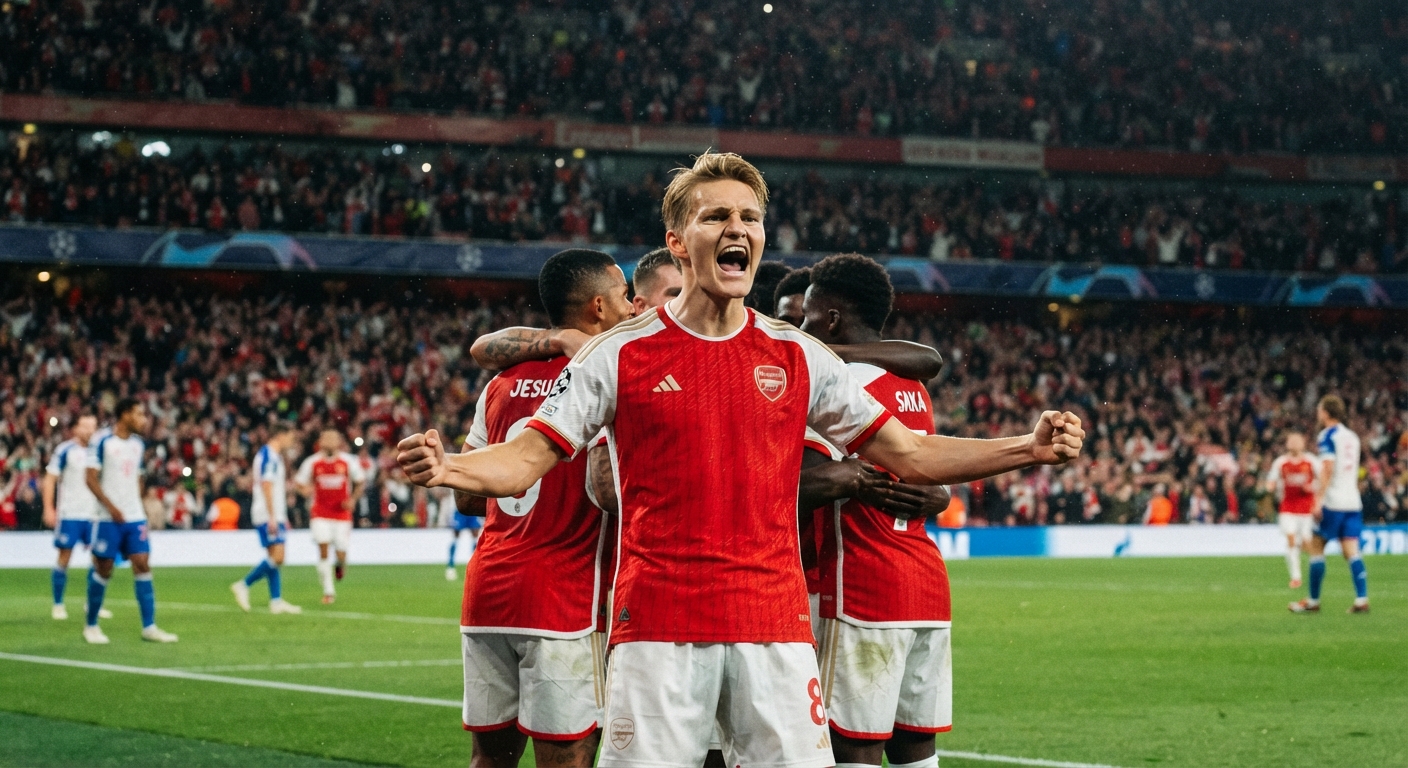
Against Arsenal, though, two elite pressing sides cancelled each other out across 180 minutes, and the tie turned on margins no system fully insures against — a mistimed Arsenal press PSG couldn't punish, a set piece PSG couldn't clear, a save that went the wrong way at the wrong end. It was the most tactically complex knockout tie of PSG's season, and it exposed an uncomfortable truth: a better process narrows the gap to elite opposition, it doesn't guarantee closing it. Arsenal were marginally sharper when it counted, and PSG went out having played some of the best football of the Enrique era.
"We are not the same club we were two years ago, and everybody who watched us this season knows it. But I did not take this job to reach semifinals. I took it to win the whole thing, and we will be back." — Luis Enrique, PSG head coach
What Real Madrid's Win Actually Proves
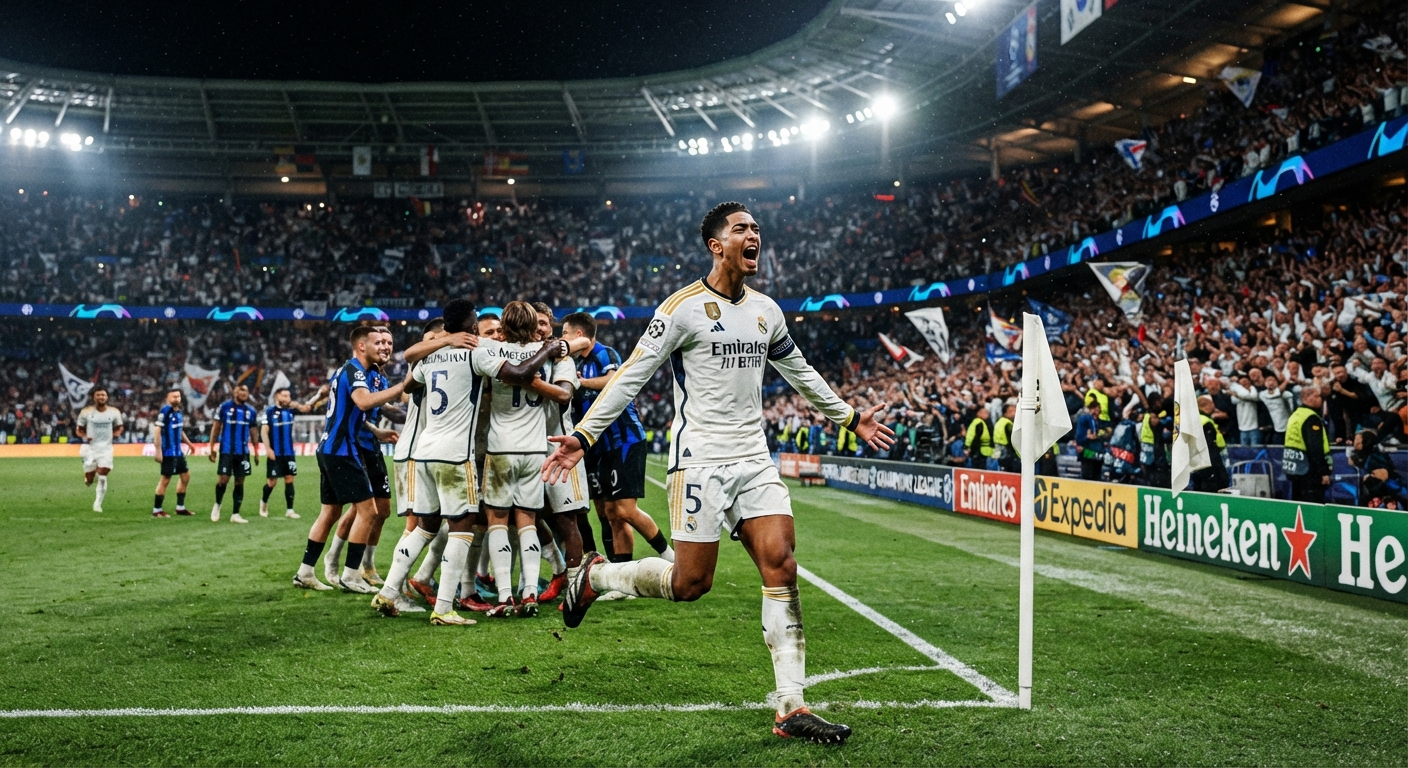
Real Madrid's triumph over City is instructive here, not as a rebuke of Enrique's methods but as a reminder of what still separates a very good process from a winning one: knockout football rewards teams who build a system and retain the individual moments of quality to break a deadlock when the system stalls. Madrid have both. PSG, for three rounds, looked like they might too. Against Arsenal, in the moments that mattered most, they didn't quite have enough of the second ingredient.
That is not nothing, and it is not the failure PSG's previous eliminations were. Losing to Arsenal after out-pressing, out-passing and largely out-playing them across two legs is a different category of disappointment to being picked apart by a well-drilled underdog, which is what used to happen to this club with grim regularity. Luis Enrique has PSG playing football that resembles the elite level of the sport rather than an expensive imitation of it.
PSG are no longer a collection of superstars hoping to out-talent the opposition. They are a team — and that team was one save, one clearance, one fine margin from a Champions League final.
Qatar Sports Investments will judge this season by the absence of a trophy, as ownership groups with that much money invested tend to. But the more useful judgment is the one about direction: PSG are closer to winning the Champions League than they have been at any point since the trident experiment began, and they got there by dismantling the very model that made them the most talked-about underachievers in the competition's modern history. The system worked. Now it just needs the moments to go with it.